

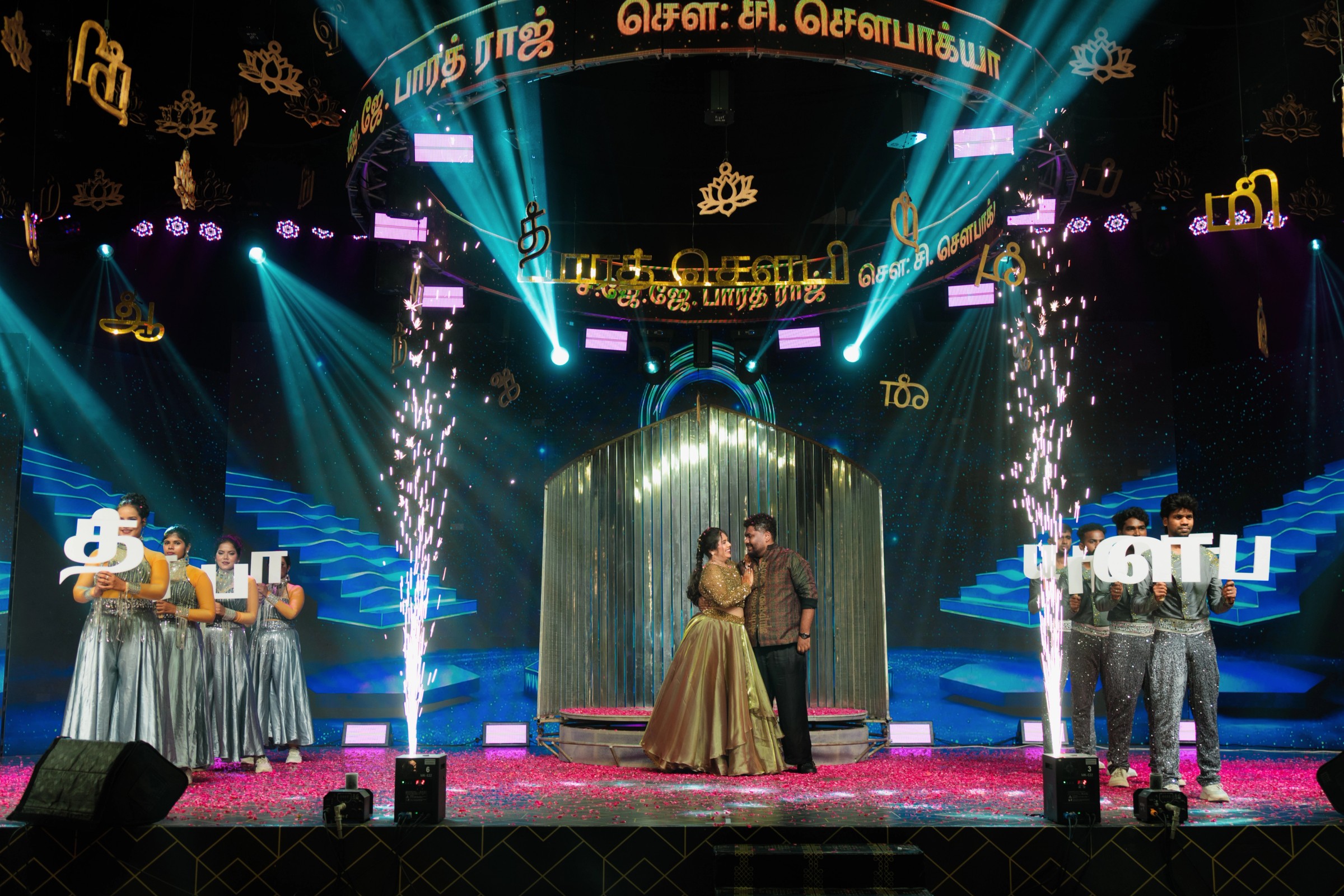
Wedding Planning Timeline

The complete wedding planning timeline
When you start planning your wedding, one of the first questions is: what should you actually do first?
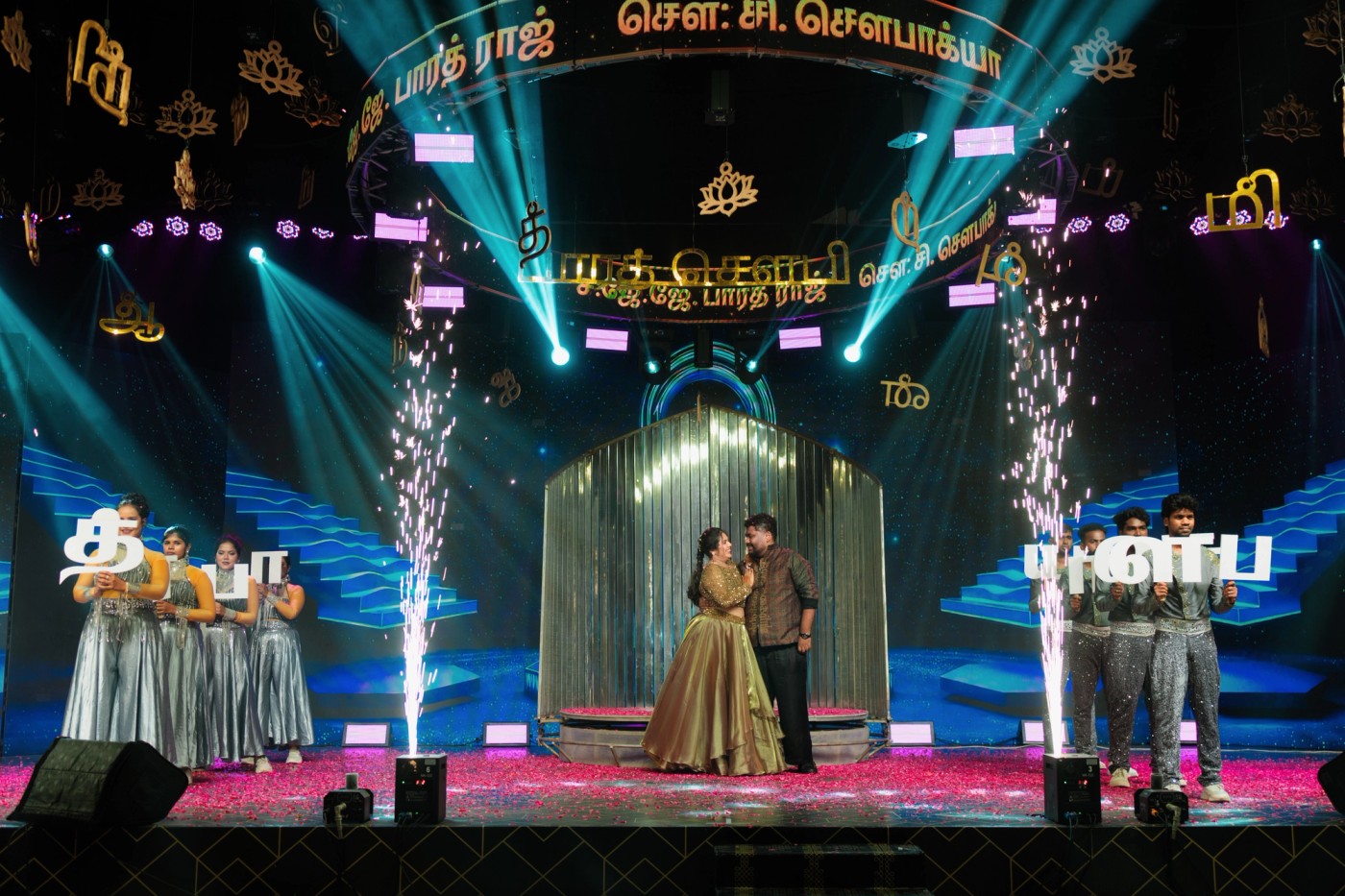
For example, you can't really begin to plan out your decorations until you know what your venue looks like. You may need to book your photographer a year before the big day. You can't even mail your invitations until you've locked in the major aspects. And for destination weddings, you'll need to add layers of accommodation, travel and hospitality to the mix. The best way to avoid this tangle of decisions is to follow a clear wedding planning timeline.
Most couples can use the following sequence: Venue - Wedding Planner - Photographer - Caterer - Decor - Makeup - Outfits - Invitations - Entertainment - Hospitality & Final Execution.
Ideally, you should begin planning your wedding 6 to 12 months before the event. This is particularly true for destination weddings, high demand dates and events that span several days.
While you may have less than ideal planning time, it's still possible to get things accomplished by staying focused and making decisions quickly. Below is an example of a practical wedding planning timeline that outlines what needs to occur and when.
9-12 Months Before: Setting the Stage
1. Select your wedding date & guest count prior to booking any vendors or services: Determine your approximate wedding date, approximate number of guests and type of celebration you want to have. Do you want an intimate ceremony or a grand multi-day celebration? Will there be multiple events such as a Mehndi, Haldi, Sangeet, Reception or several wedding ceremonies? Your guest count and event type will impact nearly every subsequent decision you make - including venue capacity and availability for guest accommodations, food and beverage options, and decor.
2. Reserve your venue: Reserving your venue is one of the most critical bookings you will make because it will serve as the foundation upon which your entire wedding will be constructed. When choosing a venue, consider the following: Guest capacity and comfort -Accessibility and location -Availability of indoor/outdoor spaces -Availability of on-site accommodations - Catering policies -Decor limitations -Power/production requirements -Guest parking and movement within the facility. After you've secured your venue, many subsequent decisions will become much simpler.
3. Consider hiring a wedding planner: A wedding planner is more than just a person who coordinates activities on the wedding day. A full-service wedding planning team can help create the entire planning framework - from researching and selecting venues and vendors to negotiating contracts, obtaining guest RSVP responses, arranging travel logistics, managing guest hospitality and coordinating logistics during the actual event. If you are hosting a large-scale or destination wedding, hiring a planner early on can assist you in making decisions in a logical progression instead of hiring individual vendors without considering how each element relates to the others.
8-10 Months Before: Booking Key Vendors
4. Reserve your photographer & videographer: Your wedding photos and video will exist long after your wedding festivities conclude. Many highly sought-after wedding photographers often book up months in advance - particularly during peak wedding season. Initially, determine your preferred photographic style - Documentary/Editorial/Candid/Traditional/Blended. As you evaluate photographers, do not solely base your evaluation on their portfolio. Inquire about
- What is included in their package?
- How many photographers will cover your wedding?
- Does their package include videography?
- When can you anticipate receiving your final products?
- Are albums included in their package?
- Who will actually be photographing your wedding?
- How will multiple events/functions be covered?
- Your objective is not merely to hire a photographer; it is to locate a team whose methodology aligns with your vision for your wedding.
5. Decide on your caterer: Food is arguably one of the most memorable components of any wedding experience. Once you've identified your venue/guest count, begin discussing catering options. Consider more than just the total number of dishes you would like served. Also consider your guest demographic/regional culinary preferences/dietary restrictions/allergies/children's meals/live cooking stations/beverage/dessert/service type (buffet/plated). Catering for destination weddings must also integrate with the venue's kitchen operations/operational protocols.
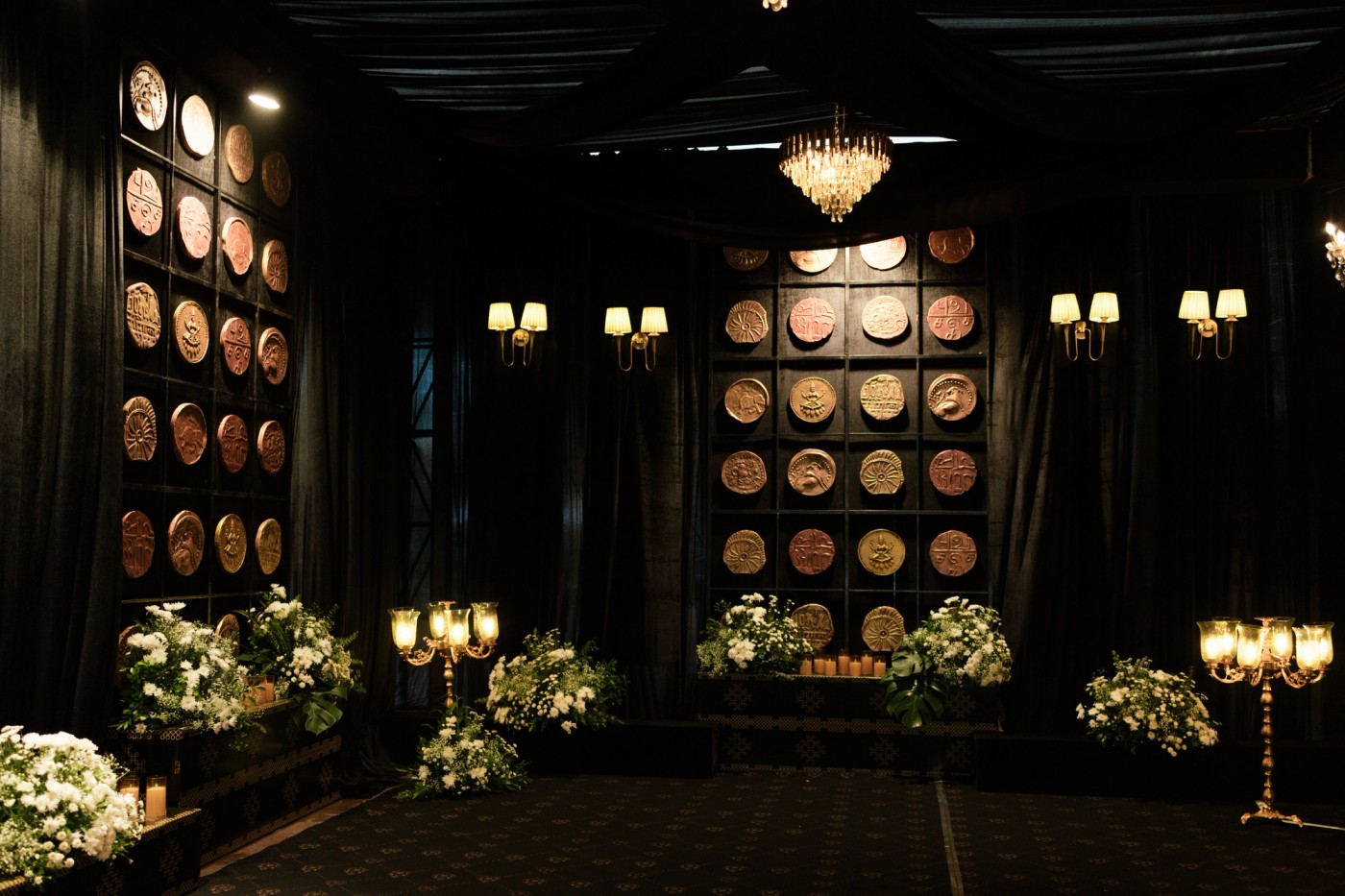
6-8 Months Before: Creating a Visual Identity for Your Wedding
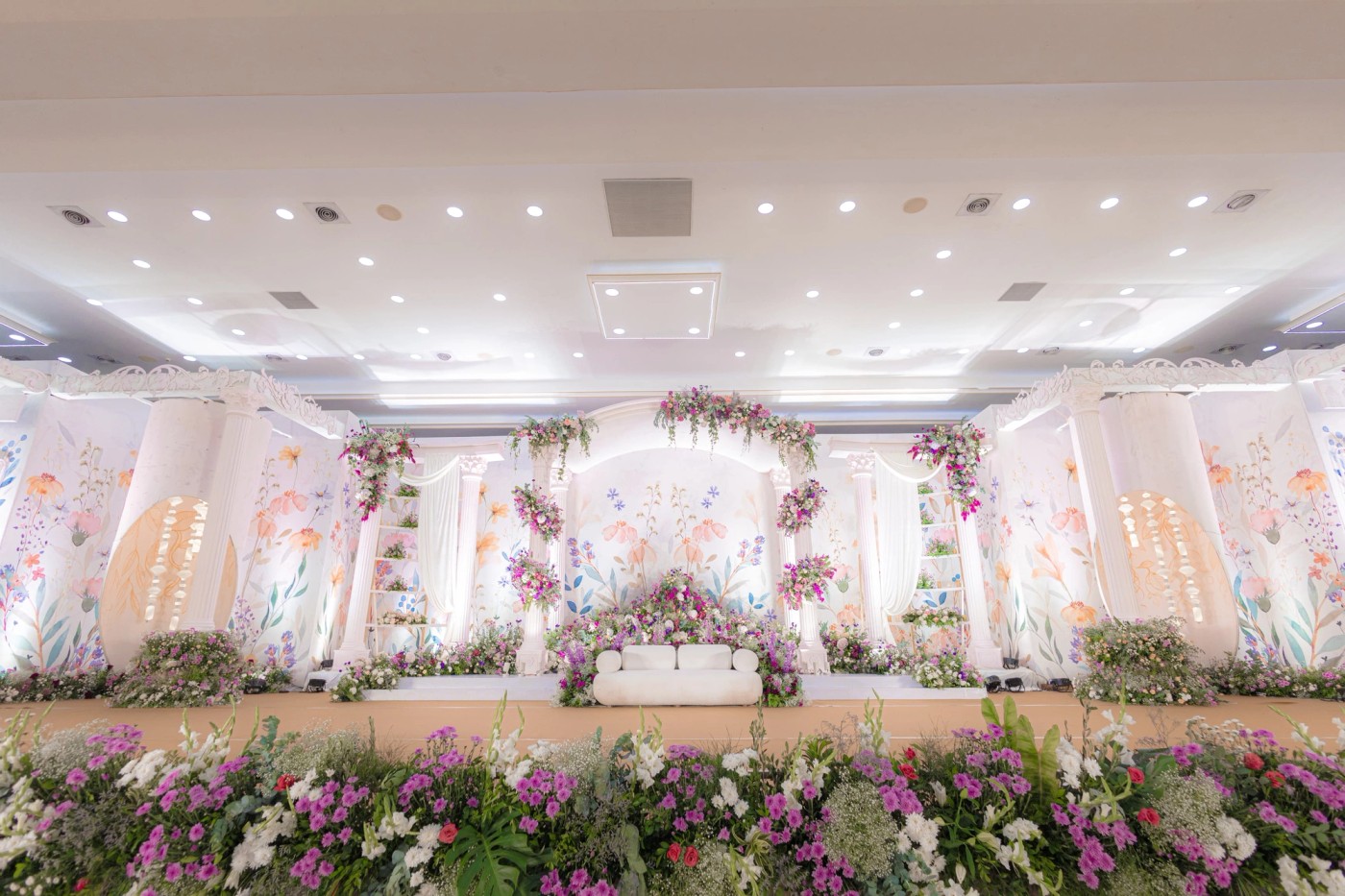
6. Develop Decor & Wedding design: Now, your wedding begins to take shape visually. Instead of selecting individual decorative elements one at a time, establish an overall design concept for your wedding. What atmosphere do you want guests to experience when they enter your venue? Elegant/Intimate/Modern/Traditional/Dramatic/Minimalist/Colorful? A comprehensive wedding design encompasses the entire visual experience - from stage/floral installations/entrance decor/seating/signage/stationery/guest interaction points.
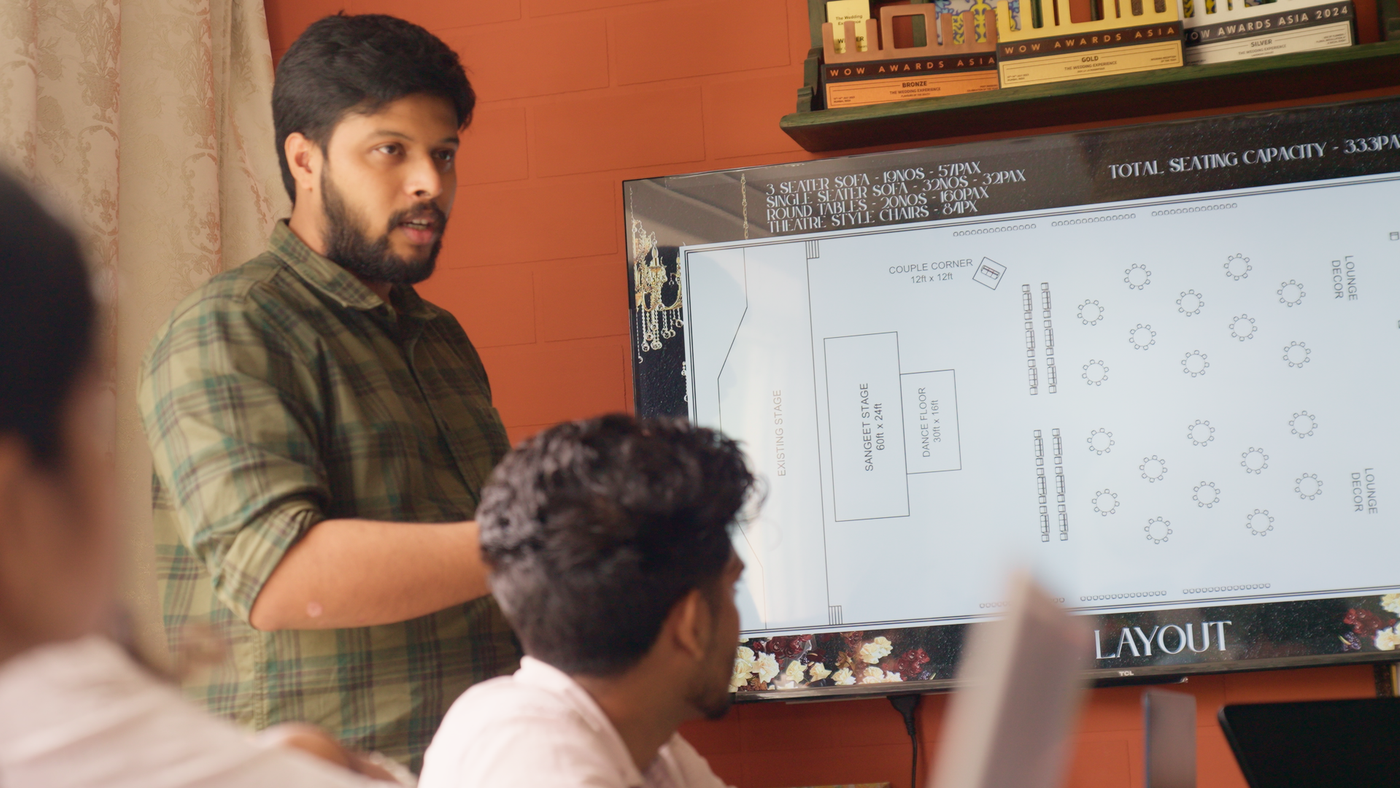
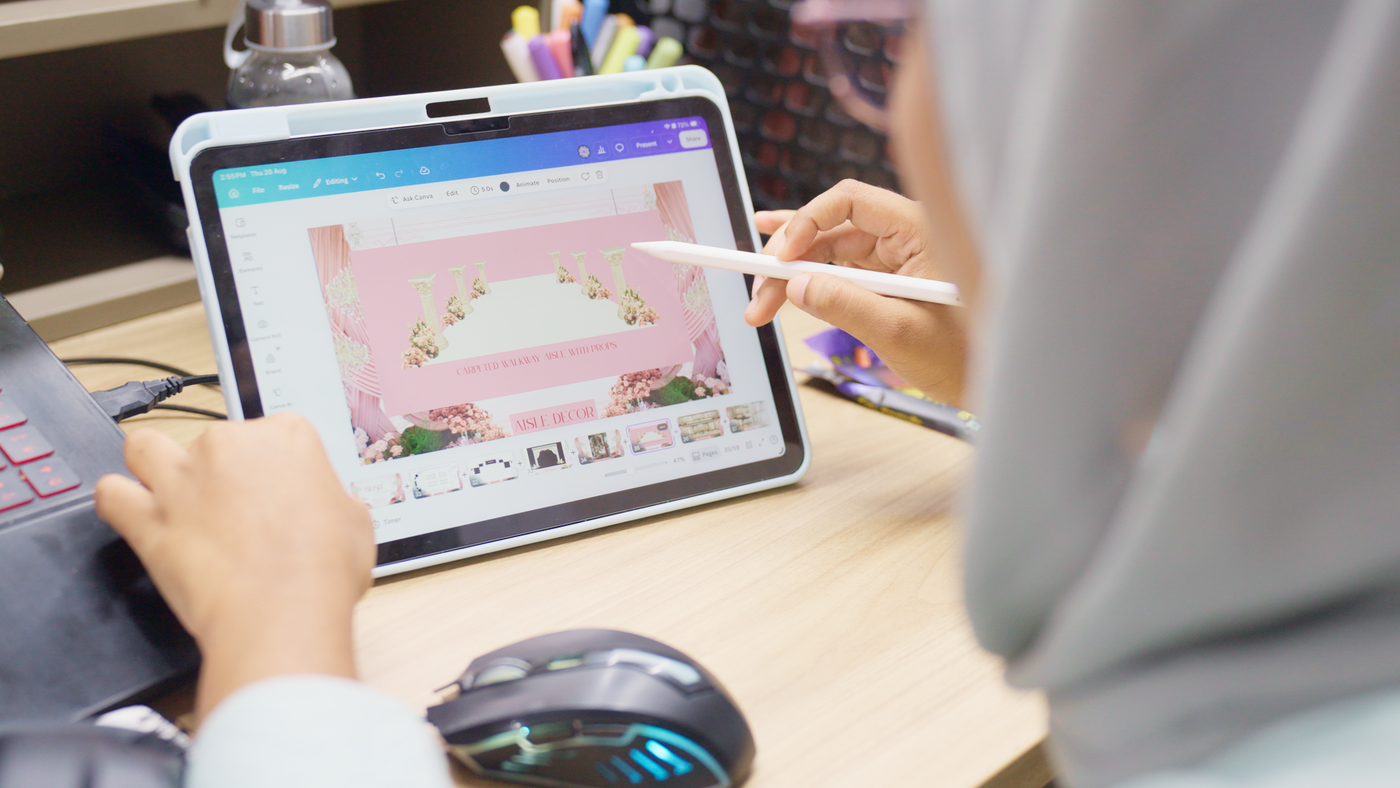
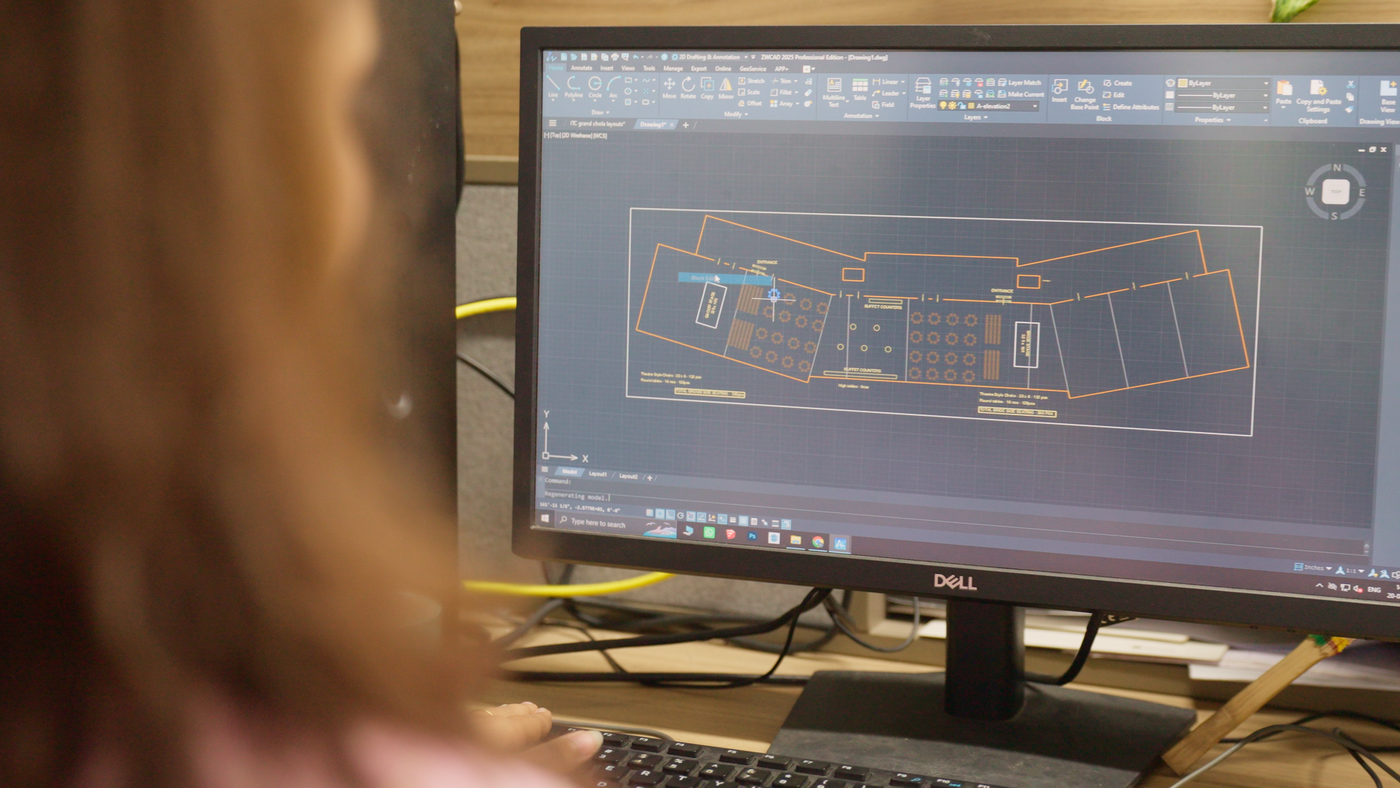
At The Wedding Experience, our design process involves creating mood boards/custom 2D layouts/spatial plans/sketches/detailed 3D walkthrough renderings before construction/installation commences. This enables couples to gain a complete understanding of how their proposed design will perform within their selected space prior to fabrication.
7. Reserve Makeup & Beauty teams: Makeup artists and hair stylists should also be reserved well in advance - especially if you have particular artists in mind. Since your wedding day may consist of multiple functions taking place over multiple days, communicate all of your requirements pertaining to makeup/hair styling - not just those for your wedding day - to ensure availability. Requirements may include: -Engagement/Pre-Wedding Events -Mehndi -Haldi -Sangeet -Wedding -Reception -Hair Styling -Family Makeup (if desired)
4-6 Months Before: Outfits/Stationery/Guest Experience
8. Begin finalizing Wedding outfits: Many couples underestimate the amount of time necessary for selecting/finalizing wedding outfits. Bridal/groom outfits usually involve customisation/multiple fittings/alterations/embroidery/jewelry/accessory coordination.
Begin with your primary functions and work backwards from your wedding date. Compile a comprehensive list of outfits for each function:
- Engagement
- Mehndi
- Haldi
- Sangeet
- Wedding
- Reception
- Pre-Wedding Events
Do not neglect footwear/jewelry/accessories/backup outfits. If your outfits include specific colors or visual characteristics that require coordination with your wedding decor, share those references with your design team as early as possible.
9. Create your invitations: Once you confirm your date/venue/major wedding details, begin designing your invitations. Your invitation is frequently the first visual representation guests see of your wedding. Its design can establish the same visual language employed throughout your menus/welcome signs/luggage tags/room hampers/itineraries/other wedding stationery. For destination weddings, invitations should clearly state essential travel/accommodation information.
2-4 Months Before: Entertainment/Guest Logistics
10. Select Entertainment: Your entertainment should correspond with your event format/audience. Depending on your celebration type, entertainment may include: DJ -Live Band -Emcee -Traditional Performances -Couple Entrances -Interactive Entertainment -Special Performances -Guest Engagement Activities Entertainment must also be coordinated with your venue/production setup/stage design/event timeline.
11. Start planning guest hospitality For destination/multi-day weddings, hospitality planning should occur long before guests arrive. Start coordinating: -Tracking RSVPs -Guest preferences -Accommodation -Rooming lists -Airport transfers -Local transportation -Welcome experiences -Room hampers -Luggage tags -Guest itineraries -Check-in/check-out coordination A beautiful wedding is only one aspect of the overall experience. The manner in which guests are welcomed/directed/cared for throughout your celebration will determine how they remember your entire wedding experience.
1-2 Months Before
Bringing all components together: Now, your focus shifts from booking to coordinating. Each vendor should have an accurate event schedule/venue details/contact information/responsibilities. You should also review: -Final guest count -Vendor contracts -Payment schedules -Decor layouts -Production requirements -Catering numbers -Seating arrangements -Rooming lists -Transportation -Event timing -Photography schedules -Entertainment cues -Contingency plans for emergencies If there are multiple venues/functions in your wedding celebration, create a single master timeline that connects everything together. The greater complexity your wedding represents, the more important this master timeline becomes.
1-2 Weeks Before: Confirm final details:
The final two weeks leading up to your wedding are not meant for making major decisions. Instead, use this time to verify what has previously been agreed upon. Your planning team should contact each vendor/timeline/set-up requirement/guest movement element.
Verify:
- Vendor arrival times
- Set-up/dismantling schedules
- Guest transportation
- Accommodation
- Final guest numbers
- Catering requirements
- Makeup schedule
- Photography schedule
- Entertainment timing
- Decor installation
- Production requirements
- Family responsibilities
- Emergency contact information
A detailed run-of-show should also be distributed among relevant teams so everyone knows exactly what happens/when it happens/who is responsible.
Wedding Day: Empowering your planning team to execute the plan: By the time your wedding day arrives, you/your spouse should not be concerned with checking whether your caterer has arrived/whether your stage is prepared/whether guests have arrived at your venue. That is the function of professional planning/on-site coordination.
A wedding planning timeline is more than just a checklist: Your venue impacts your decor. Your guest count impacts your catering/accommodation. Your decor impacts production. Your entertainment impacts event flow. Your destination impacts hospitality/transportation. Each decision ultimately contributes to a single complete experience.
