

Right Decor Style
How to select the right decor style for your wedding
From traditional to modern day
You have saved thousands of wedding décor ideas. One had stunning marigold installations.Another had a chic white mandap. You then discover a dramatic contemporary stage, a heritage inspired wedding, a pastel garden setup and a luxury destination celebration.
Selecting your own wedding decor style suddenly seems more difficult than it should. It's not that you don't have enough inspiration. It's that you have too much of it. Your wedding decor should be an illustration of your personality, the décor of your venue, your celebrations and the guest experience you want to provide.
Here are some ways to determine the decor style that will best represent your wedding: Traditional and Heritage, to Modern Day Minimalist, Maximalist, Floral, and Indo-Fusion.
Begin with the emotion and not the flowers
Before selecting flowers, colors, or backdrops, ask yourself this question:
- How should our wedding feel?
- Do you want your wedding to feel Grand, Intimate, Romantic, Regal, Playful, Modern, Traditional, Relaxed, or Luxurious?
An emotional direction provides your wedding designer with a much better starting point than simply saying, "We want lots of flowers." When the overall feeling is established, flowers, materials, structures, lighting, furniture and florals can all work together to establish that atmosphere.
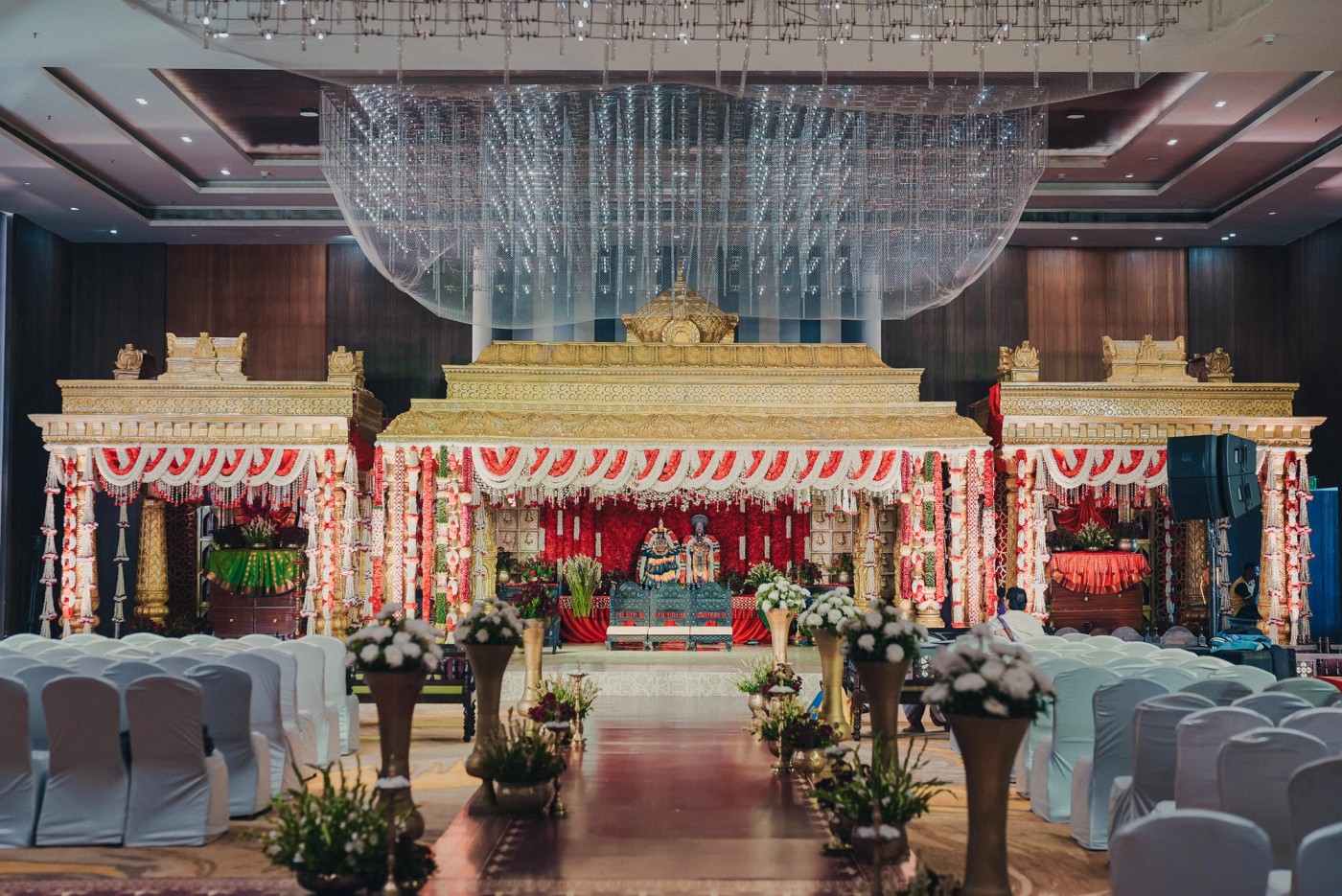
Your decor should tell a single visual story instead of looking like a compilation of ideas from other weddings. Traditional Wedding Decor Traditional Indian wedding décor is influenced by culture, rituals, architecture and common visual elements.
Some examples include:
- Marigolds
- Brass Lamps
- Diyas
- Traditional Motifs
- Rich Fabrics
- Floral Mandaps
- Rangoli
- Indian Pattern Inspired
- Traditional Seating Colors such as Red, Gold, Green, Orange and Yellow are traditionally associated with Indian celebrations.
Today's couples are also incorporating elements of traditional decor using lighter color palettes, modern floral arrangements and modern furniture. Traditional doesn't always have to be outdated. A classic Mandap can be paired with modern floral arrangements, modern seating and contemporary lighting.
Contemporary Wedding Decor
Contemporary decor is characterized by clean lines, purposeful details and a modern visual vocabulary.
It may incorporate:
- Geometric structures
- Sculptural installations
- Modern furniture
- Neutral/monochromatic color palettes
- Statement lighting
- Minimal floral arrangements
- Contemporary signage
Rather than decorating every aspect of the venue, contemporary design often emphasizes a select number of bold visual statements. Contemporary Decor is particularly effective in modern hotels, upscale resorts and architectural venues. The key to successful contemporary Decor is Precision. Since there will be fewer components involved in the design, each component must serve a specific purpose.
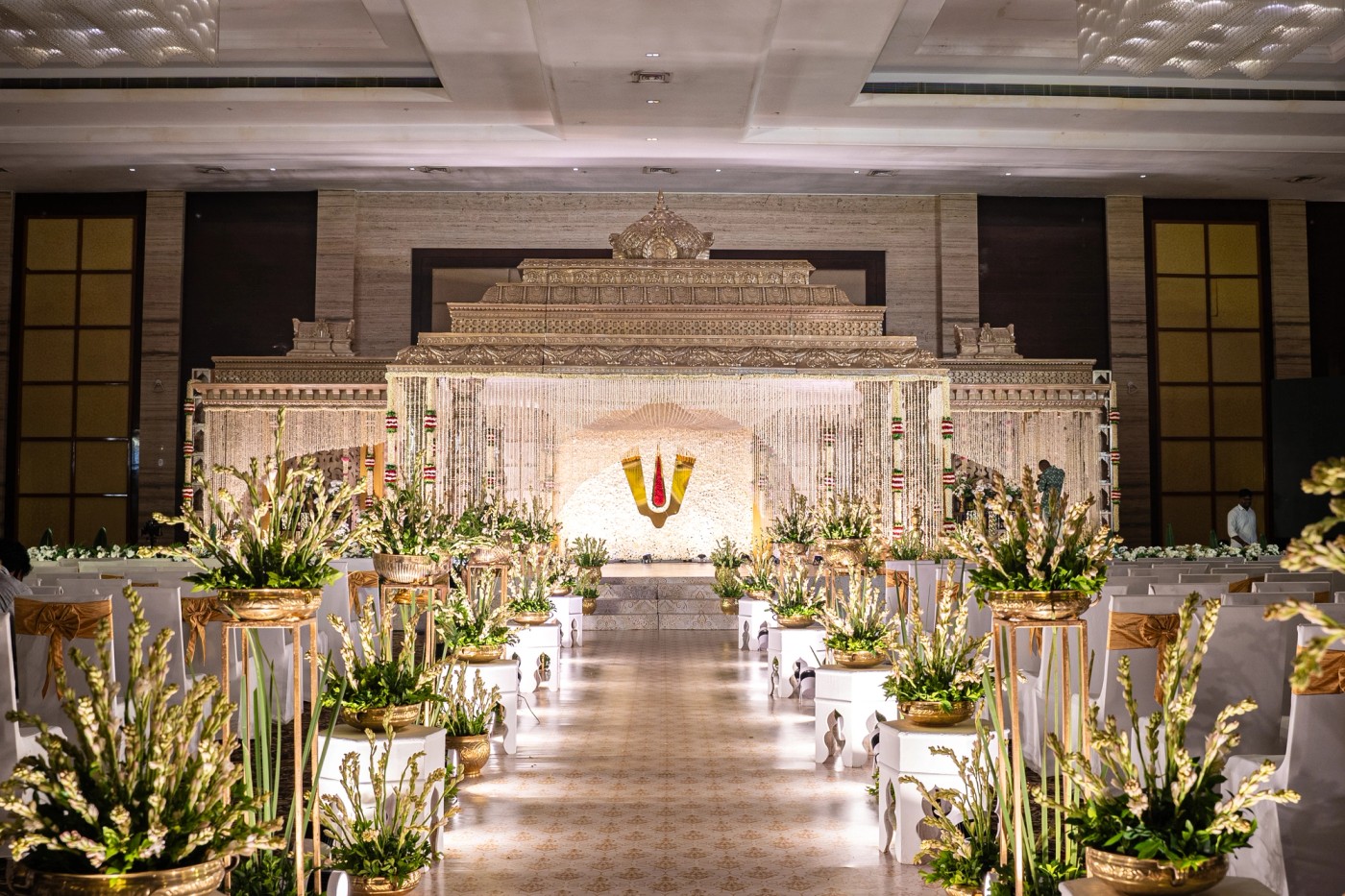
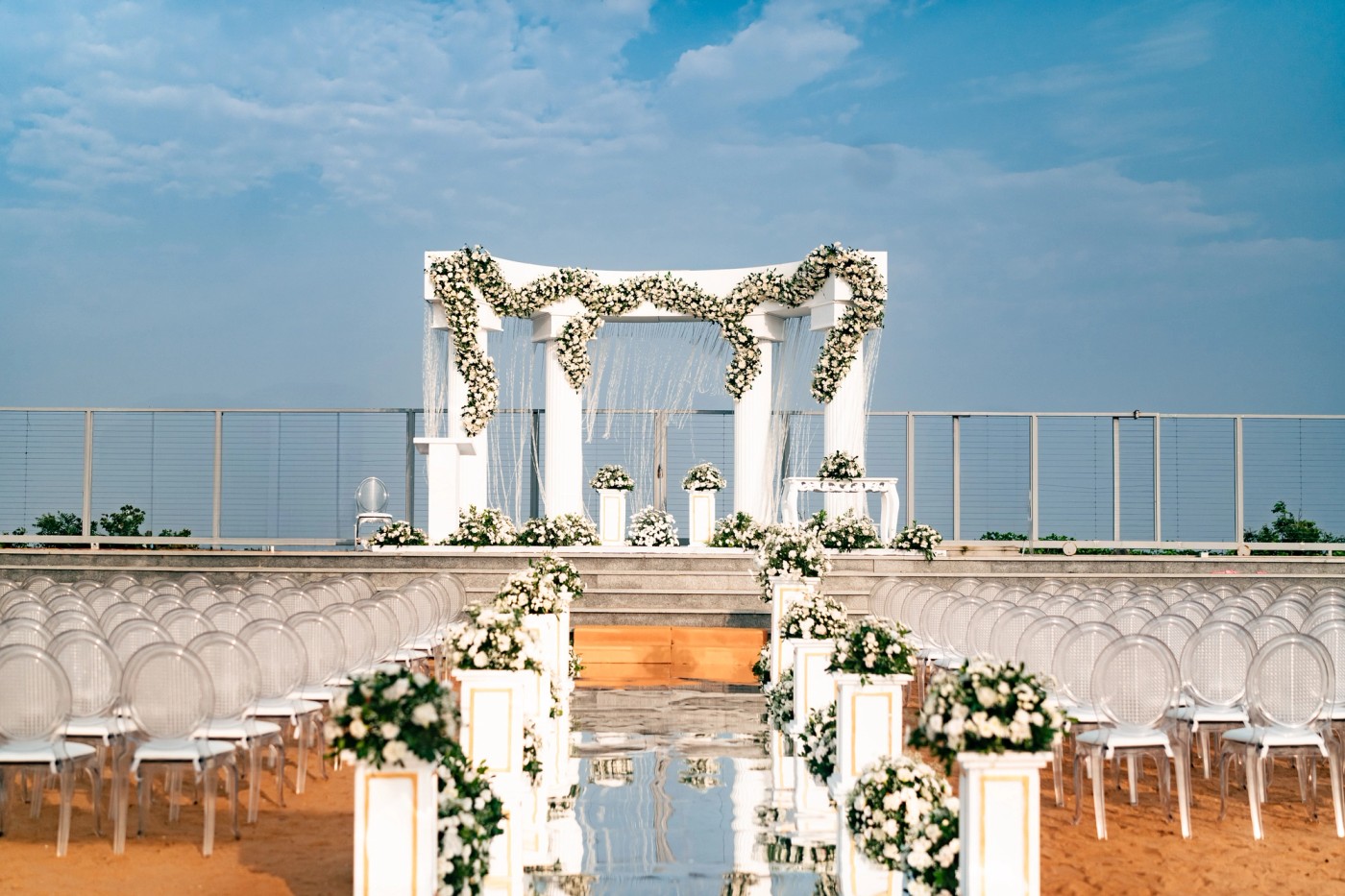
Minimalist Wedding Decor
Minimalism is commonly misidentified as merely reducing decor.
In fact, minimalism is about purposeful editing. A Minimalist wedding decor may include
- Ivory
- Champagne
- Beige
- White
- Soft Green or Muted Pastel tones
Rather than including numerous competing installations, the design may emphasize:
- A Single Back Drop
- Carefully Selected Floral Arrangements
- Elegant Furniture
- Beautiful Lighting
- Textured Fabrics
- Sophisticated Stationery
Minimalist wedding decor is especially effective for couples who seek elegance without excessive visual clutter.
Proportions, space, texture and detail contribute to the overall beauty rather than the quantity of decorative elements.
Maximalist Wedding Decor
If minimalism is about editing, then maximalism is about celebrating abundance. Maximalist weddings can include:
- Vibrant colors
- Layered floral arrangements
- Large Installations
- Patterned Fabrics
- Dramatic Lighting
- Statement Furniture
- Hanging decor
- Numerous decorative elements
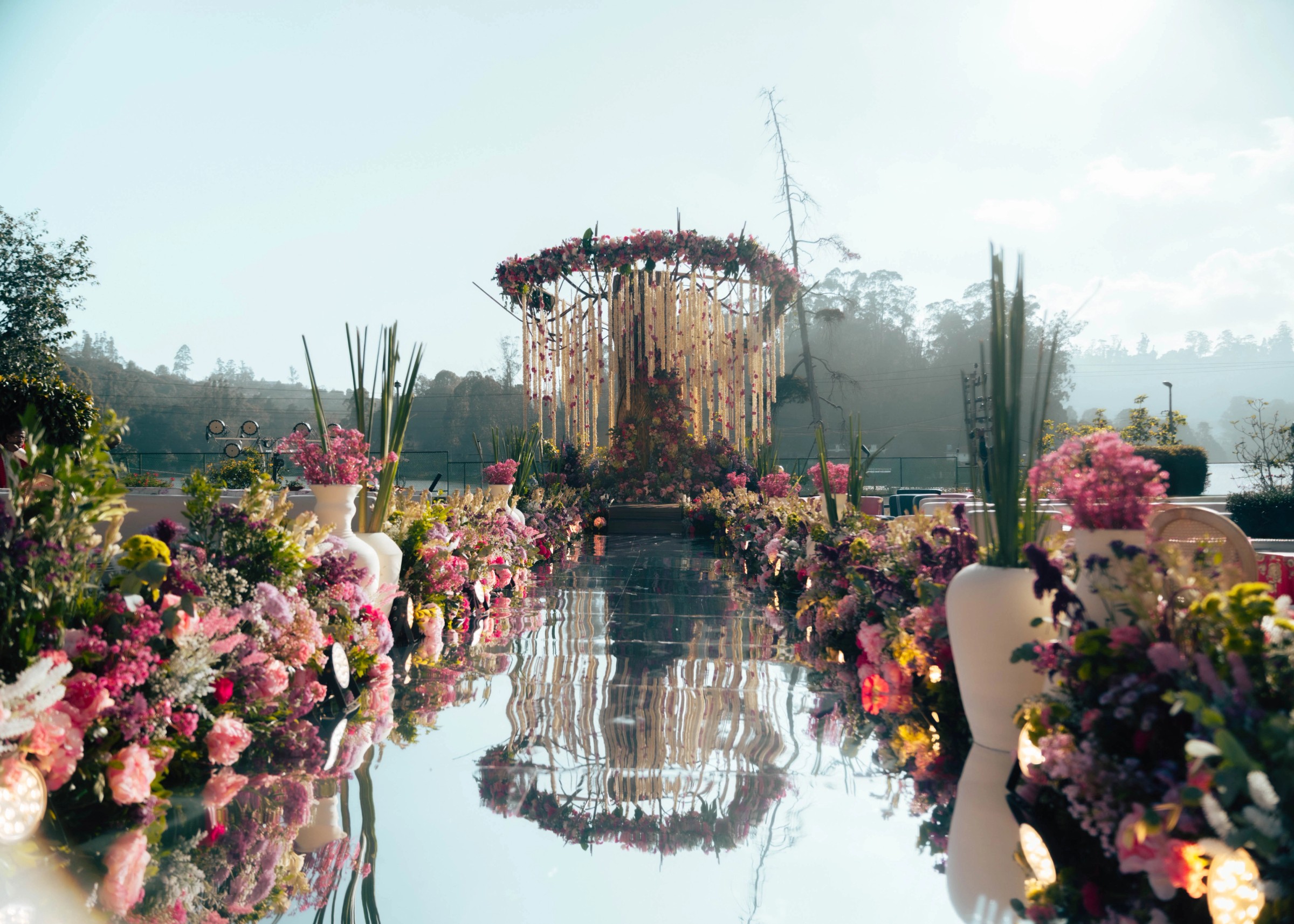
Floral Wedding Decor: For some couples, Flowers are not simply one component of their décor. Flowers are the decor.
A Floral wedding decor can be based upon a particular color palette, flower type, season or overall mood.
Flowers can be incorporated into:
- Mandaps
- Entrances
- Aisles
- Stage installations
- Hanging arrangements
- Table decor
- Couple backdrops
- Photo areas
It is important to note that Floral arrangements must be evaluated relative to the venue and the couple's attire.
If the Bride's frock is heavily embroidered, an equally elaborate floral arrangement may compete with it. The objective is not to make every element dramatic. The objective is to make every element work harmoniously.
Heritage Wedding Decor
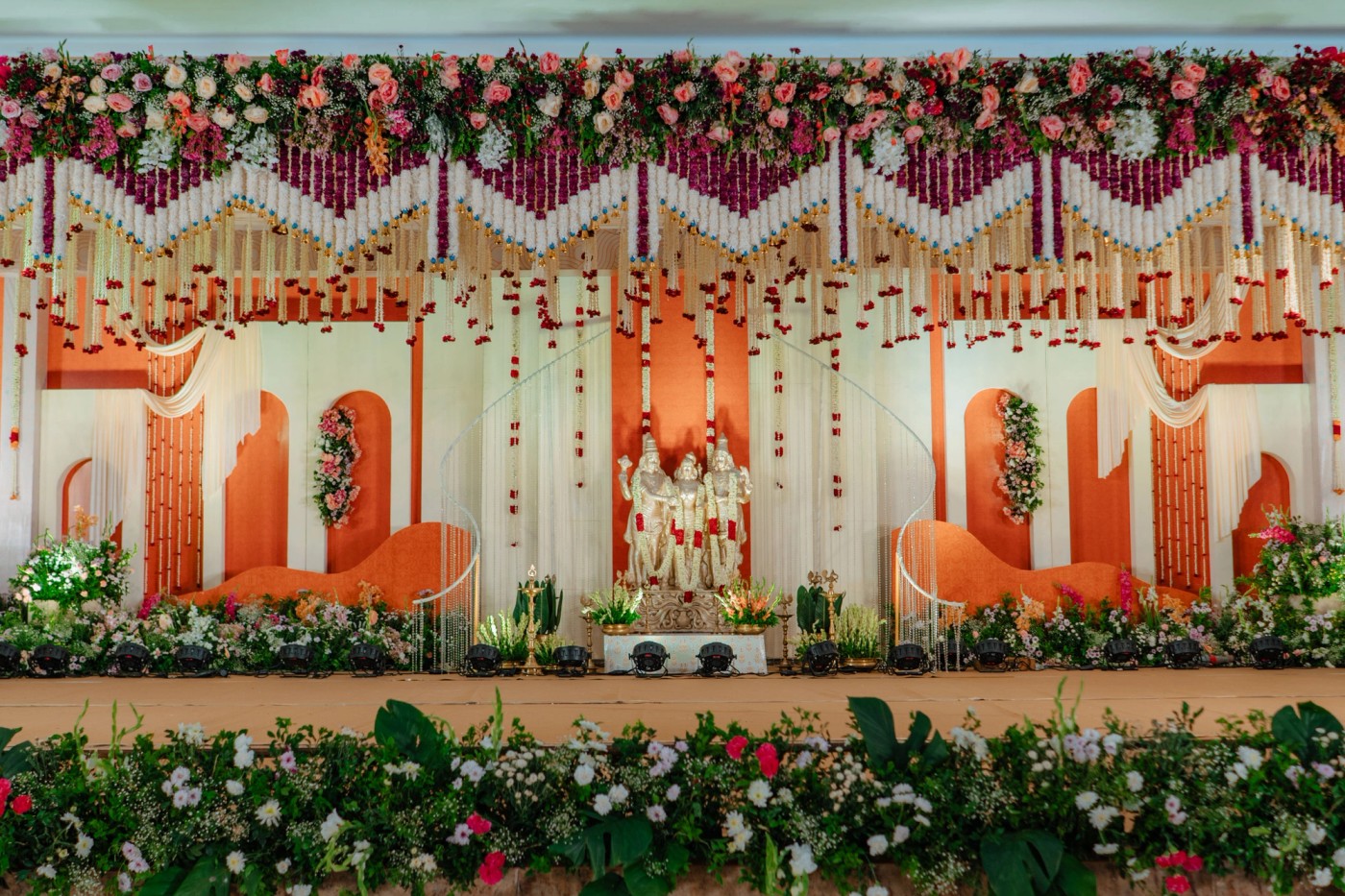
Heritage Venues possess an inherent history - Palaces, old Mansions, restored properties and Historic spaces possess architectural character that can play an integral role in your wedding design.
Instead of obscuring that character, utilize it. Brass elements, traditional fabrics, warm lighting, flowers and contemporary furniture can be combined to produce a layered aesthetic. The most successful heritage Decor appears as if it was created specifically for the property.

Destination wedding decor
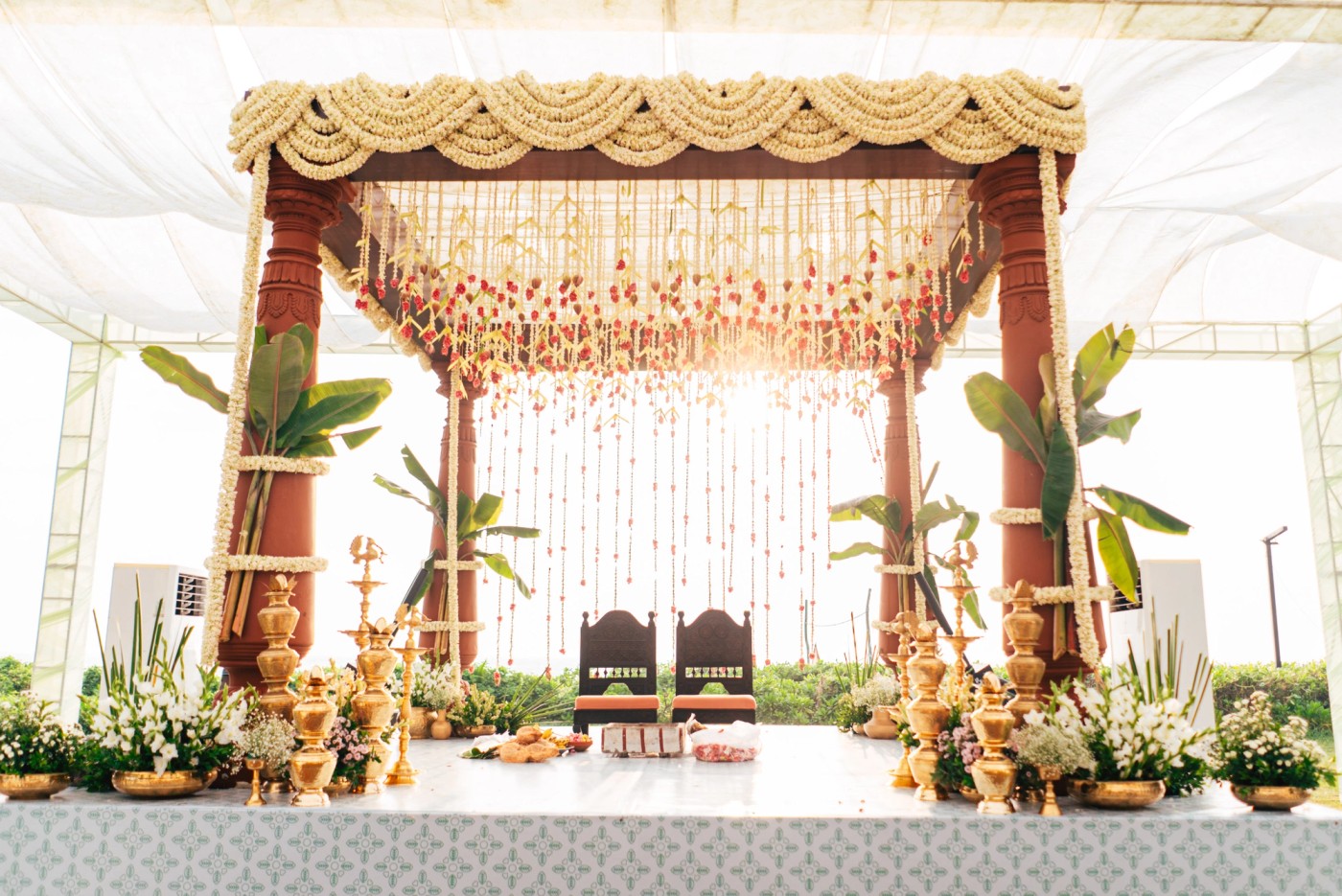
A Destination wedding decor provides something special: The Destination itself can play a significant role in your Design. A Beach wedding decor can utilize the Sea, Sky and Natural Landscape as visual elements. A Palace wedding decor can emphasize its architecture. A hill destination wedding decor can utilize its Surroundings as a backdrop.
A resort wedding decor can use gardens, pools and open spaces. This is why destination decor should not merely replicate a city wedding in a new location. Your decor should reflect your destination. Climate, architecture and natural landscapes can all impact your Color lalette, materials, structures and overall experience.
Indo-Fusion Wedding decor
Indo-Fusion is perfect for couples who wish to incorporate their cultural roots while maintaining a contemporary aesthetic. Consider a traditional mandap adorned with sculptural modern floral arrangements, Brass lamps combined with minimalist furniture, Traditional Indian patterns translated into contemporary stationery.
Do not design without evaluating your venue. Each venue possesses its own visual language. Examine:
- Architecture
- Flooring
- Walls
- Ceiling height
- Natural surroundings
- Existing furniture
- Lighting
- Entry Points
- Outdoor spaces
A deor concept that looks fantastic on pinterest may not function effectively in your actual Venue. Your Installation's scale must be proportionate to your Space. Your Color palette must complement your venue's Existing Surroundings.
Technical Feasibility must be considered when constructing Structures and Layouts must accommodate guest movement and event requirements.
If your Bridal attire is vibrant, your decor can provide contrast. If your bridal attire is heavily detailed, your backdrop can be more refined. If your Bridal Attire is minimalist, your decor can provide visual drama. You must also consider your groom's attire.
Instead of creating identical colors for attire and decor, create a coordinated palette with complementary shades and textures.
This enables you and your partner to stand out while maintaining visually unified photographs. Create distinct decor personalities for separate events. Your wedding does not require identical decor Styles for Each Event.
A Haldi can be bright and playful. A mehendi can be Colorful and Relaxed. A Sangeet can be Dramatic and Energetic. Your Wedding Ceremony can be Elegant and Traditional. Your Reception can have a more contemporary aesthetic. The key is maintaining Visual Continuity across all E
events.
Visual continuity can be achieved by:
- A color family
- A recurring floral style
- A common motif
- Consistent stationery
- A monogram
- Similar lighting languages
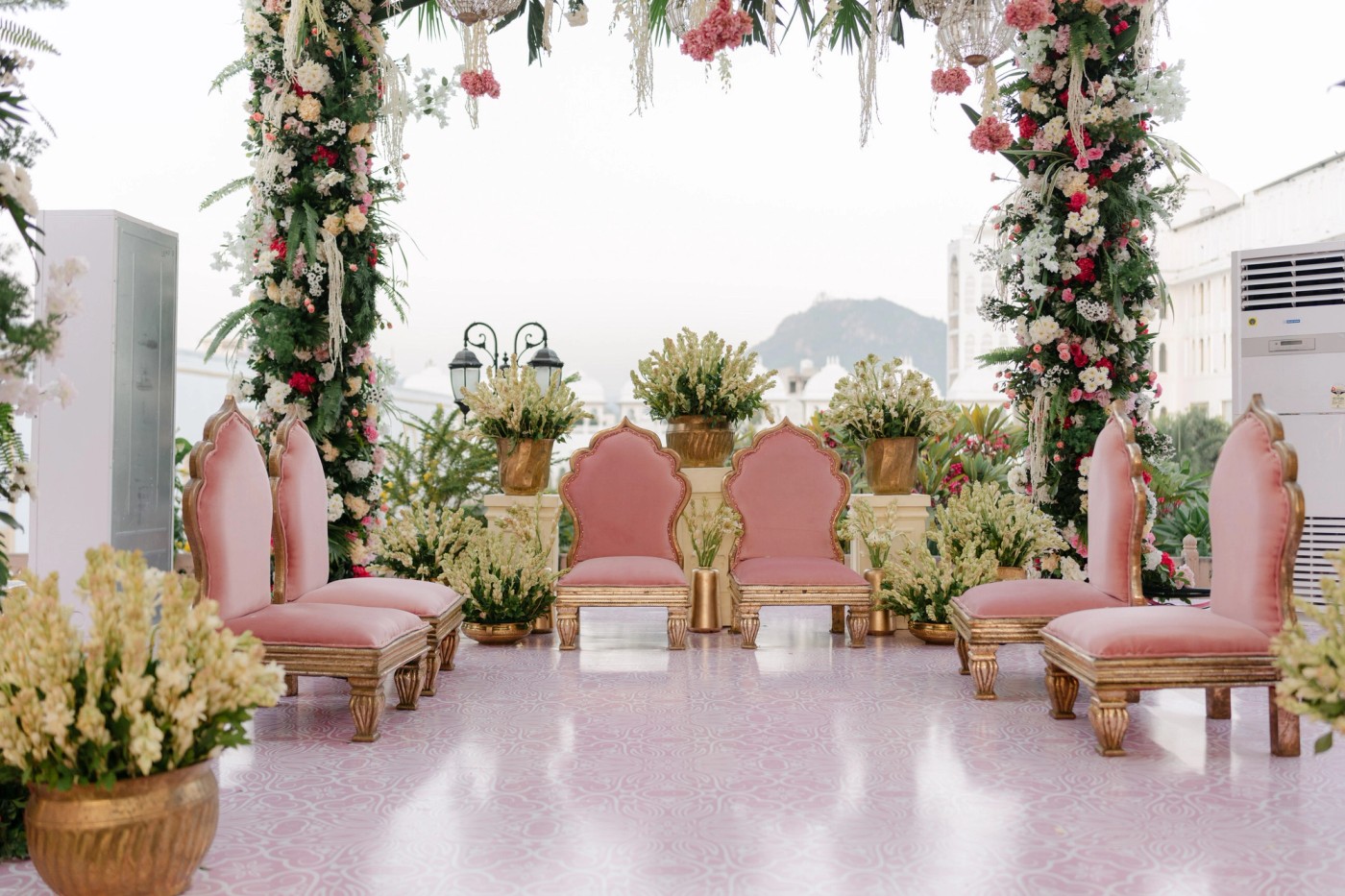
Each event will have its own personality without creating an overall disjointed wedding experience. Lighting is part of your decor, lighting should never be an afterthought. Lighting alters how your decor, attire and photographs appear. Daytime celebrations may benefit from softer and lighter palettes whereas evening events can utilize deeper tones, architectural lighting and more dramatic illumination.
Therefore, lighting should be considered during the design phase, not after the decor has already been finalized. From inspiration to execution - A pinterest board can indicate what you like. It does not indicate how to execute that vision. Professional wedding design facilitates this transition. At the wedding experience, the design process initiates with an assessment of the couple's story, personality, preferences, venue and vision. The Concept is then developed through mood boards, custom 2D layouts, spatial planning, sketches and 3D walkthrough renders. Once the concept is approved, the production team translates the design into actual structures, Floral installations and decor through In-House production and fabrication capabilities.
This establishes a continuous journey from: Idea - Design - Visualization - Fabrication - Installation -Execution.
This integrated approach can be particularly beneficial when a wedding involves complex structures, multiple functions, Large-scale installations or destination celebrations.
Final thoughts: There is no single correct wedding decor style. Traditional, Contemporary, Minimalist, Maximalist, Floral, Heritage, Destination and Indo-Fusion can all create beautiful celebrations. The right choice depends on your story, your venue, your attire, your Functions and the atmosphere you want your guests to experience.
Therefore, do not choose your decor simply because it is trending or because it looks beautiful in someone else's wedding photographs. Choose a style that feels natural to you.
