Multi Functional Wedding
How to plan a multi functional wedding
A multi-function wedding is one of the most exciting aspects of Indian weddings. There will be at least two events leading up to the main event, and many times there will be more than two.
In addition to the pre-wedding events there are also post-wedding events that need to be planned as well. When you combine the number of events with the potential for multiple venues and the fact that each event can be very different in terms of atmosphere and theme, you quickly realize that you are planning a multi-function wedding.
While this type of wedding planning is exciting, it can also be overwhelming due to the sheer volume of tasks that need to be completed. In order to successfully plan a multi-function wedding, you will need to identify what defines the wedding as a whole and then use that definition to guide the design process for each function.

Here are some tips for planning a multi-function wedding without making each event look exactly alike or completely unrelated. Start by defining the overall personality of the wedding.
- What does the couple want to portray through their wedding?
- Do they want a modern luxury wedding?
- An elegant traditional wedding?
- A vibrant Indian celebration?
- A destination-inspired design?
- Minimalistic sophistication?
Once you have defined the overall personality of the wedding you can begin to design each function as a separate chapter within the same story. Think of the wedding as a series of experiences rather than five separate events.
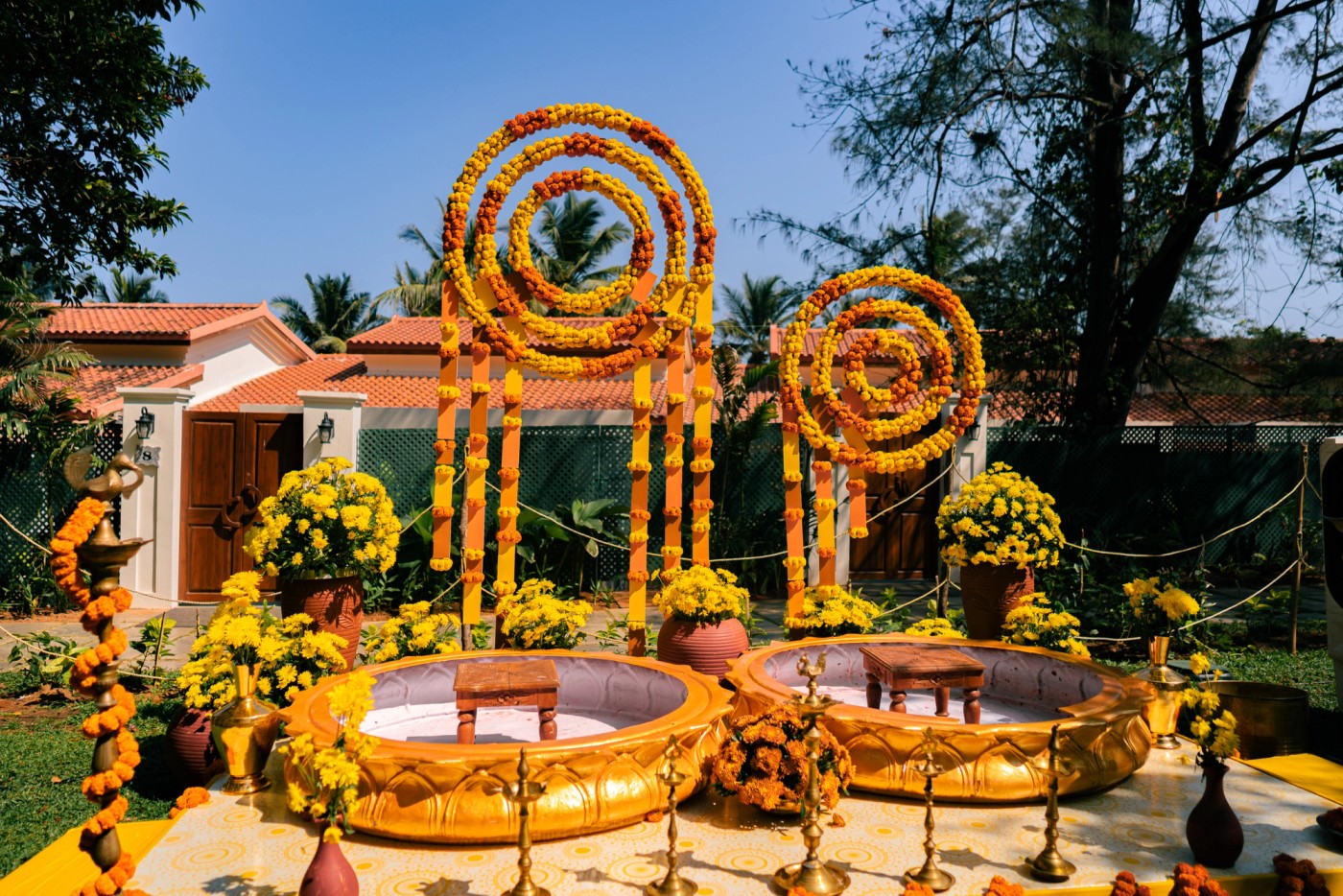
Haldi: Bright, Playful and Energetic
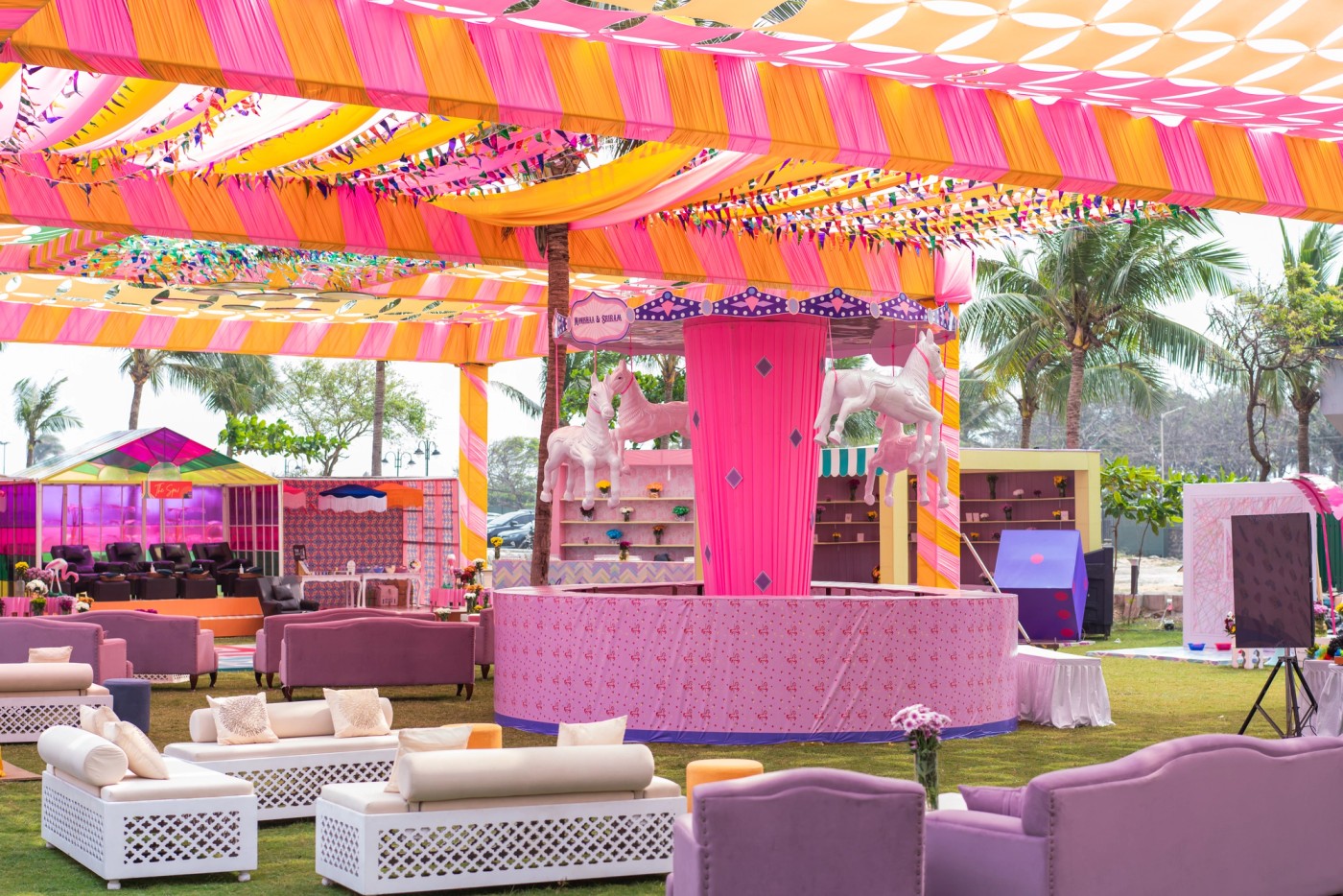
Haldi is a joyful and colorful tradition. It's a great opportunity to get creative with your décor. Yellow, orange, pink, green and marigold-inspired colors are natural choices. You can incorporate:
- Marigold installations
- Colorful umbrellas
- Floral seating
- Printed fabrics
- Photo booths
- Low seating
- Personalized signage
- Interactive guest experience

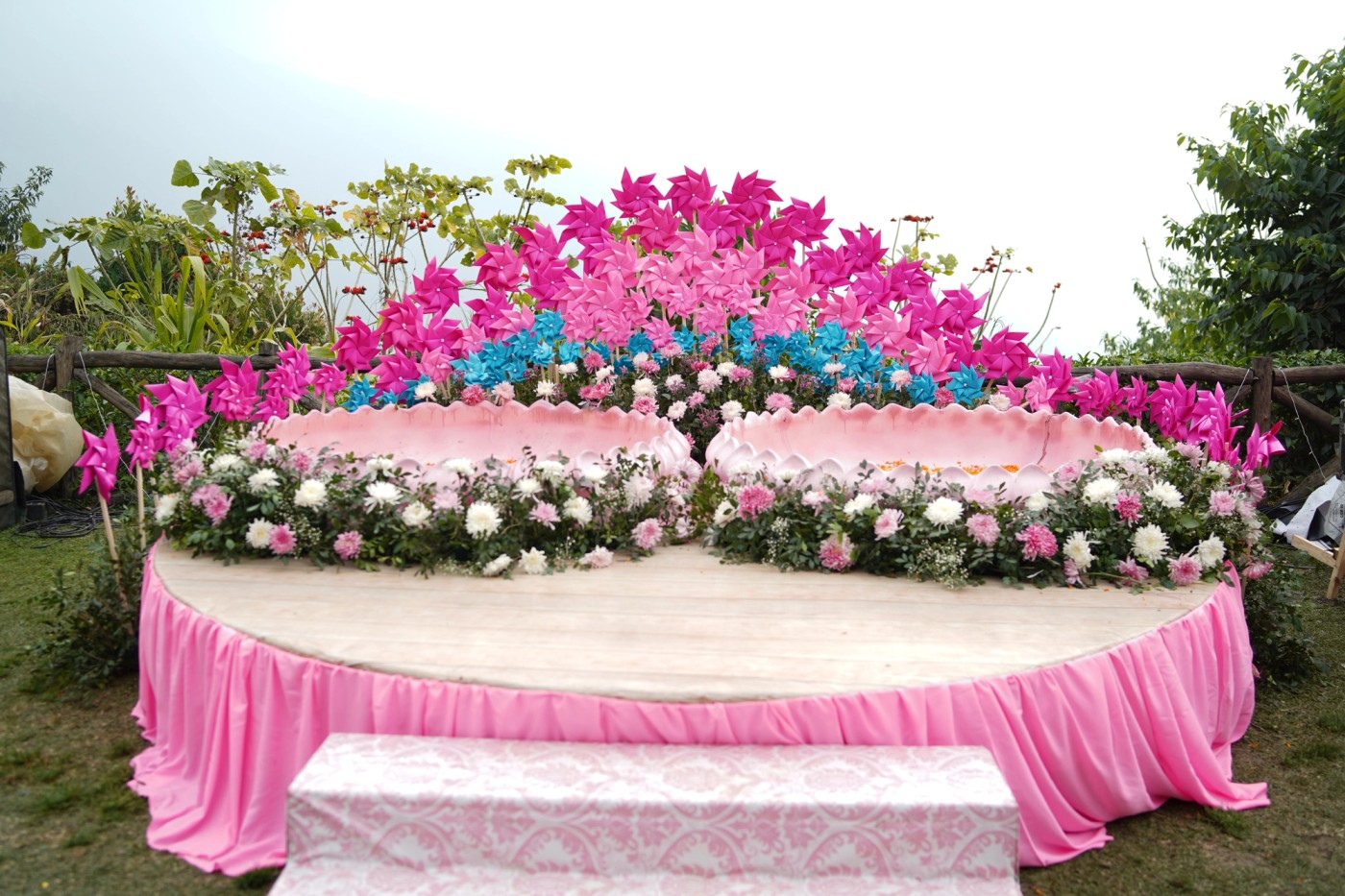
However, do not limit yourself to traditional yellow décor. A contemporary Haldi could incorporate pastel yellows, peaches and whites. A tropical Haldi could incorporate bold greens. A Haldi destination could incorporate colors found in the surrounding landscape. What matters most is that your decor complements the energy of the function.
Mehendi
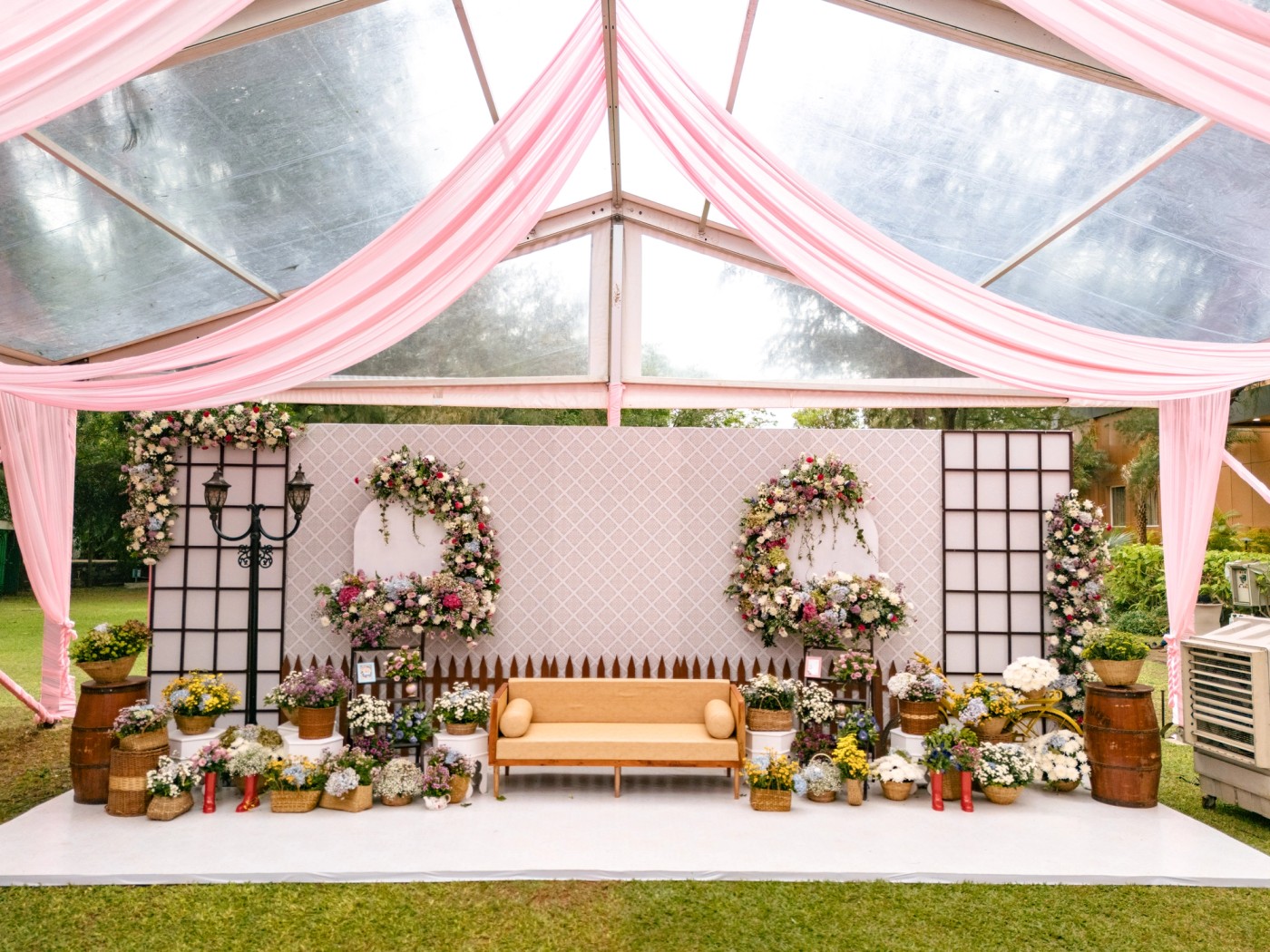
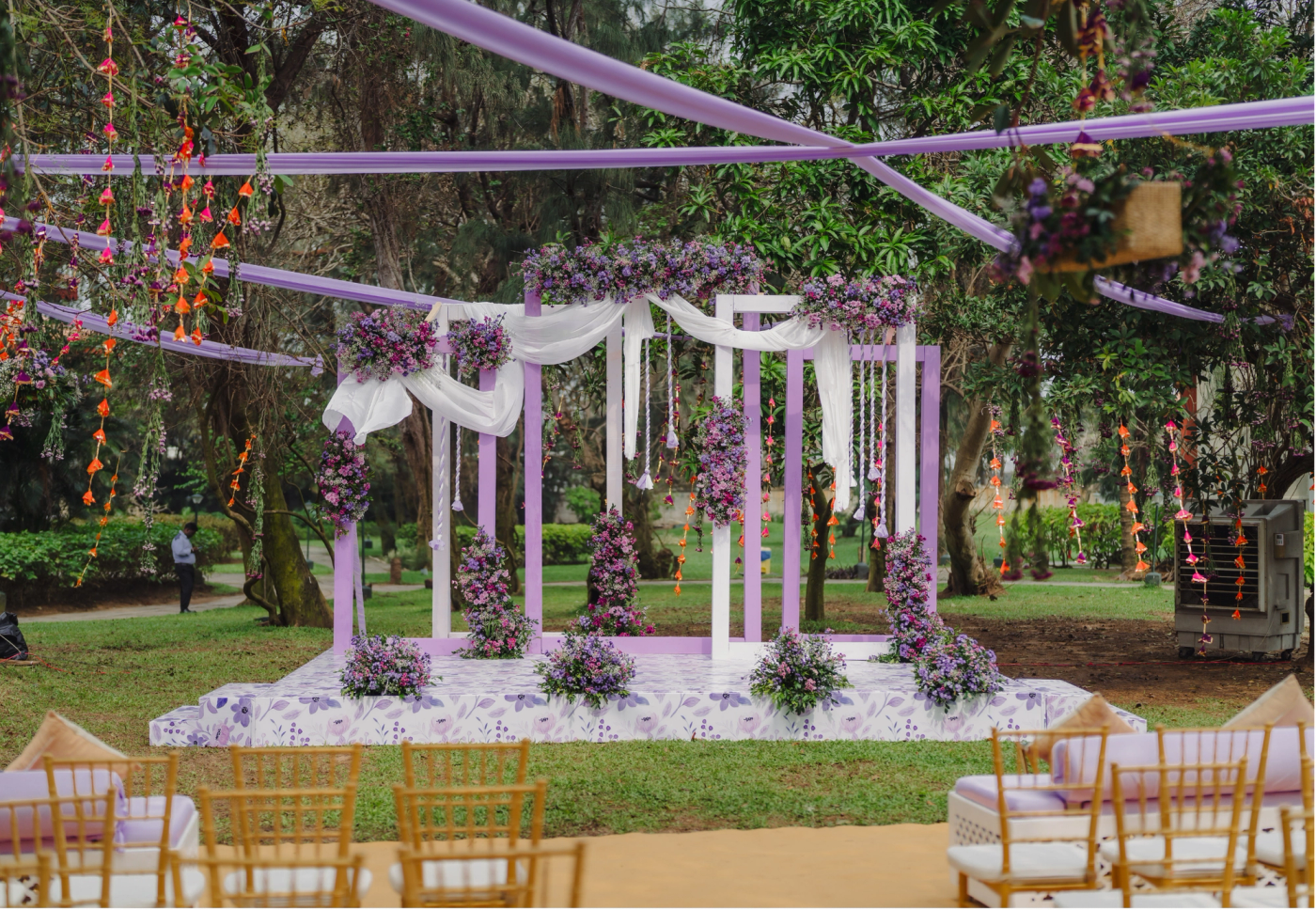
Relaxed and Vibrant Mehendi is another opportunity to explore décor options. Mehendi can be more relaxed and intimate than the wedding ceremony. You can create a garden-inspired environment, colorful lounges, traditional Indian décor or bohemian chic décor. The decor should also take into account the movement of guests since guests may sit for extended periods of time while receiving their Mehendi.
Therefore, comfort should be incorporated into the design. Seating, shade, ventilation, lighting and accessibility should be considered along with flowers and backdrops.
Sangeet
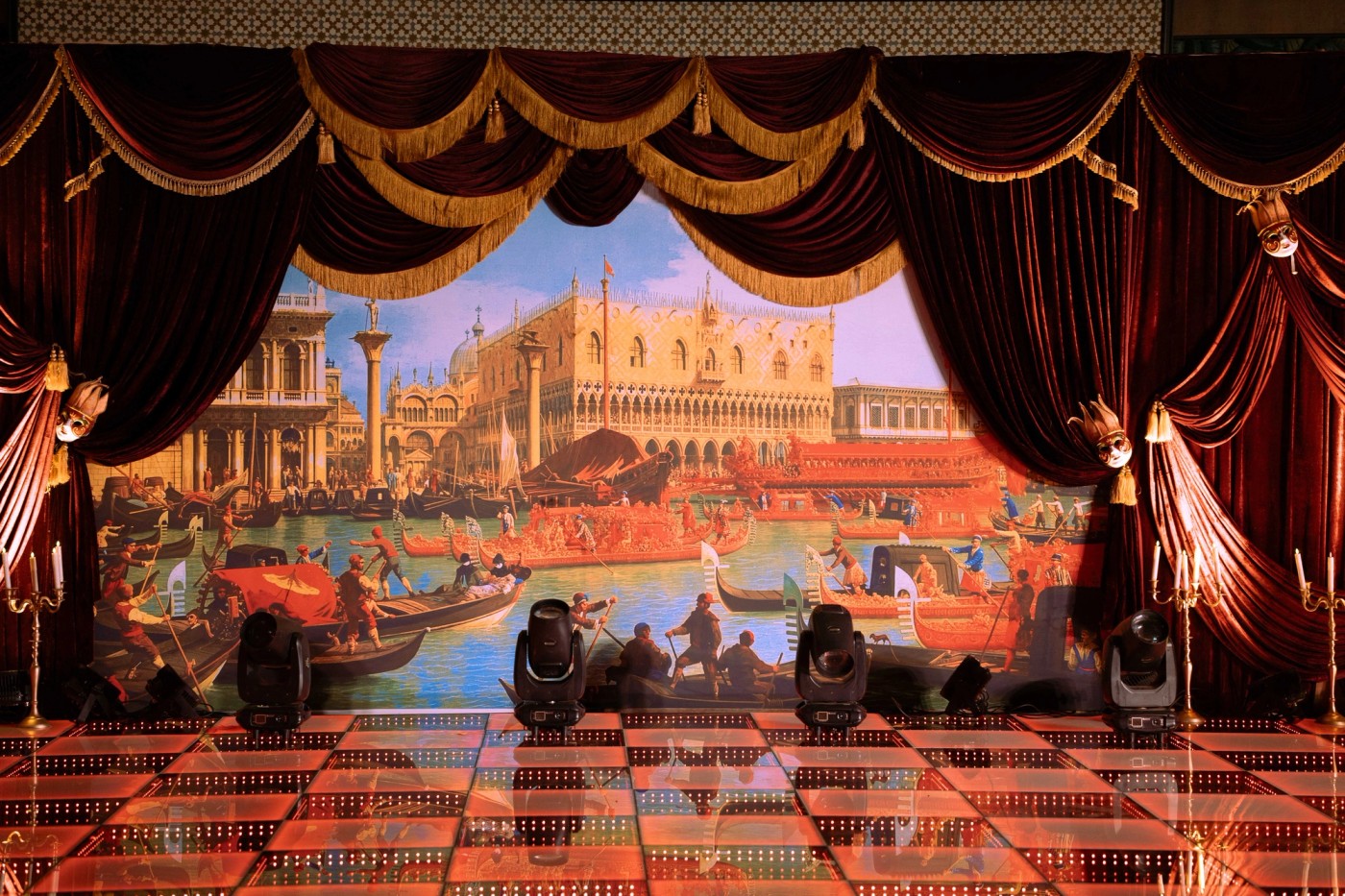
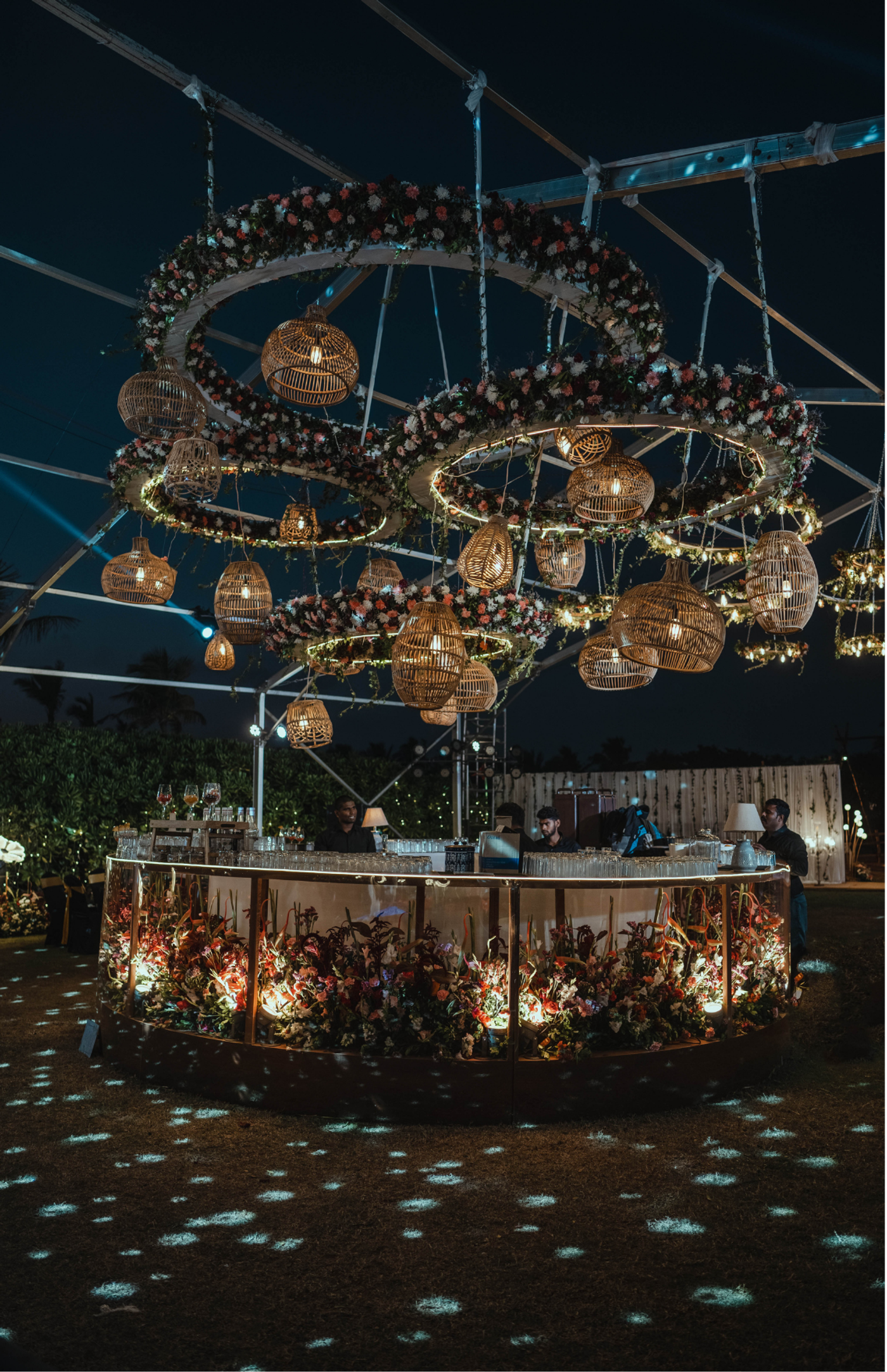
Dramatic and Performance Based Sangeet is typically the most performance-based function. Lighting, stage design, entertainment and production are critical components of a successful Sangeet.
The decor can be darker and more dramatic than other functions utilizing colors such as:
- Emerald
- Burgundy
- Wine
- Navy
- Plum
- Champagne
- Metallic
However, the stage should not merely be visually appealing. It must accommodate performers. Consider stage dimensions, entry/exit points, LED screens, lighting placement, sound quality, back stage movement and couple performances. A successful Sangeet requires décor and production to be coordinated.
Wedding Ceremony
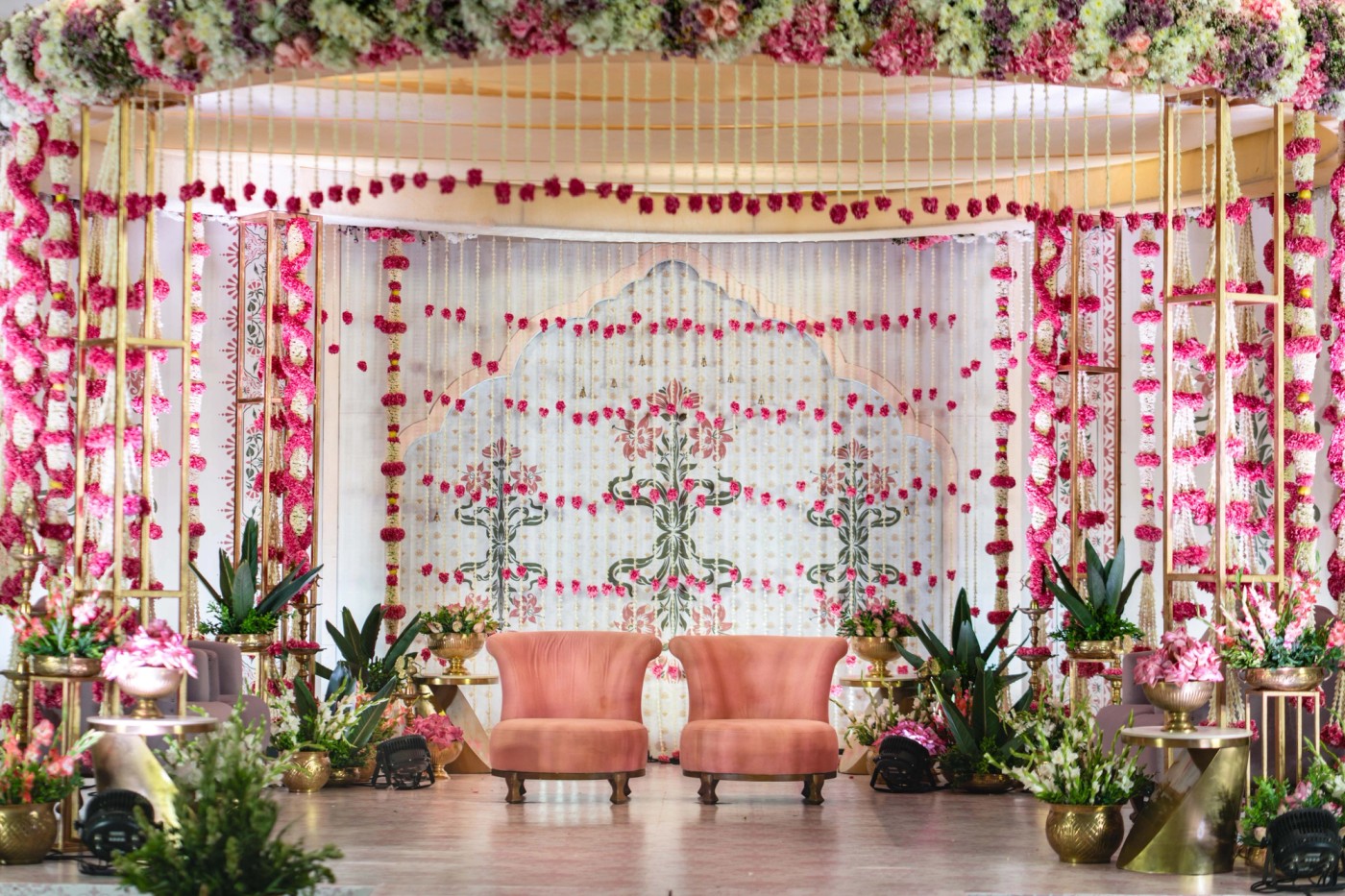
Focus on the Couple The wedding ceremony typically evokes a different emotional quality. Design can be more elegant, traditional or tranquil. The mandap will serve as the focal point visually.
Design considerations include:
- Ritualistic requirements
- Seating arrangement
- Visibility of couple - Photo opportunities
- Floral arrangements
- Lighting
- Visibility of guests
- Venue architecture
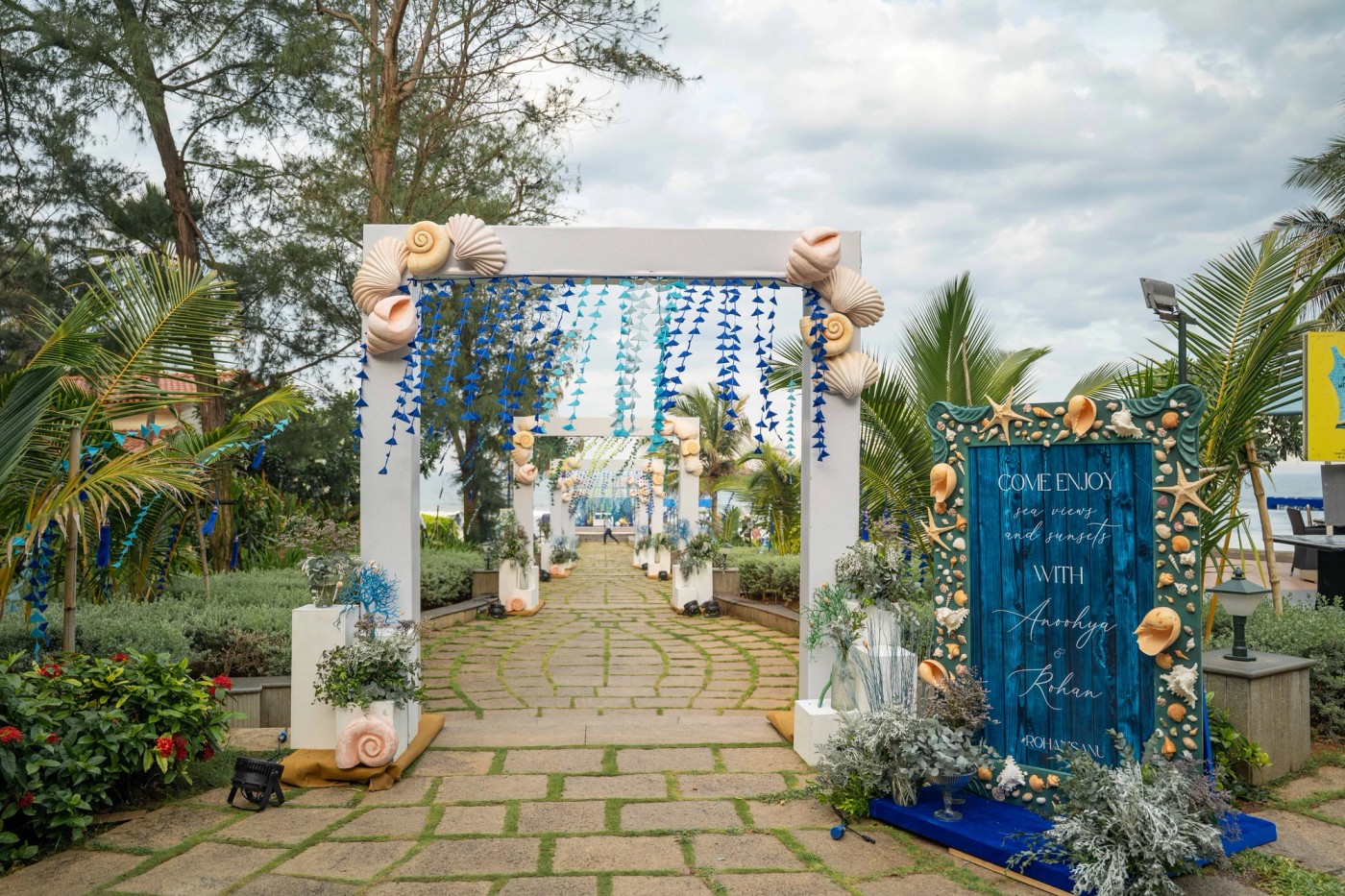
If the couple's attire is highly embellished, mandap design should enhance it rather than detract from it.
Additionally, cultural customs and family expectations should be considered early on in the process.
Reception
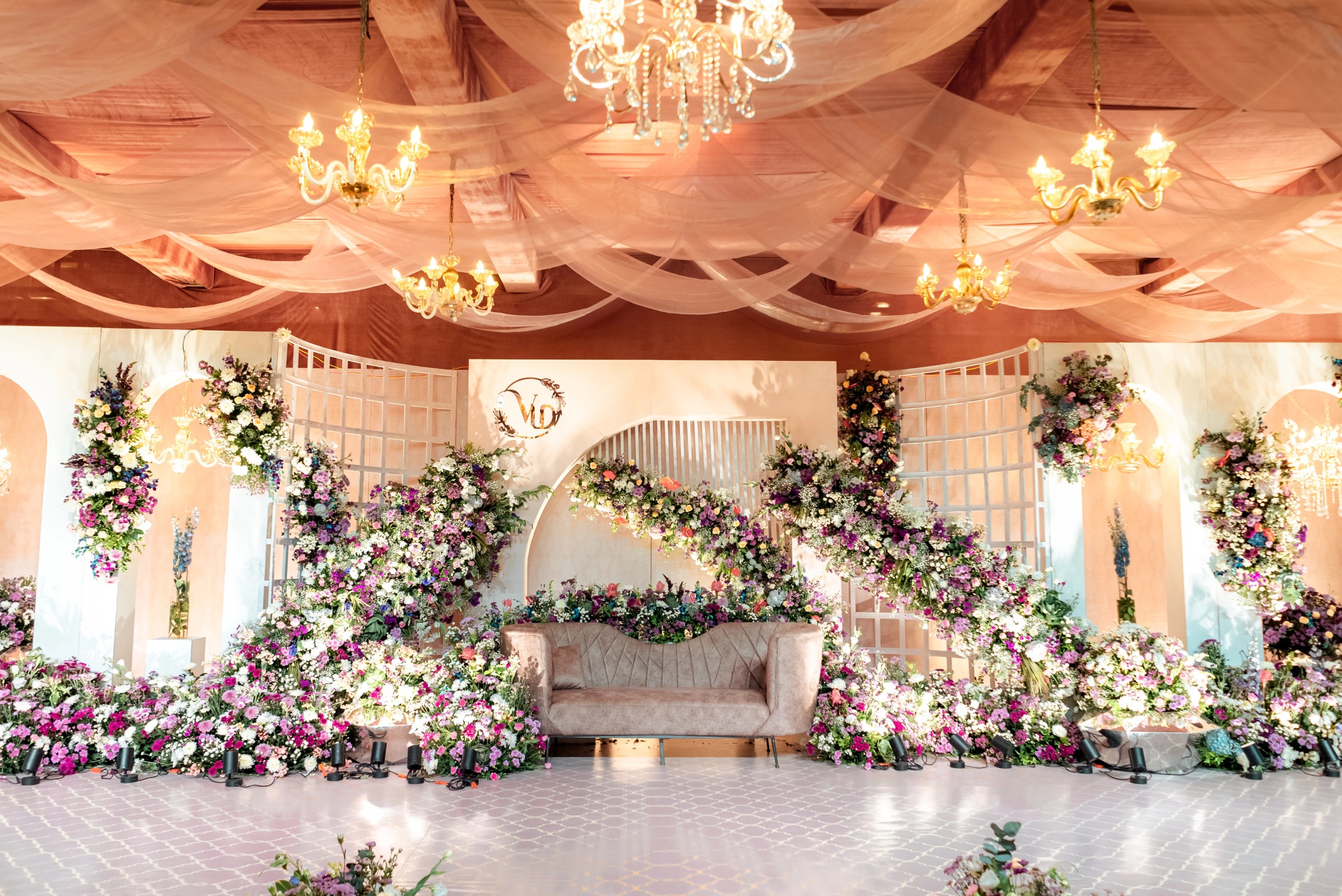
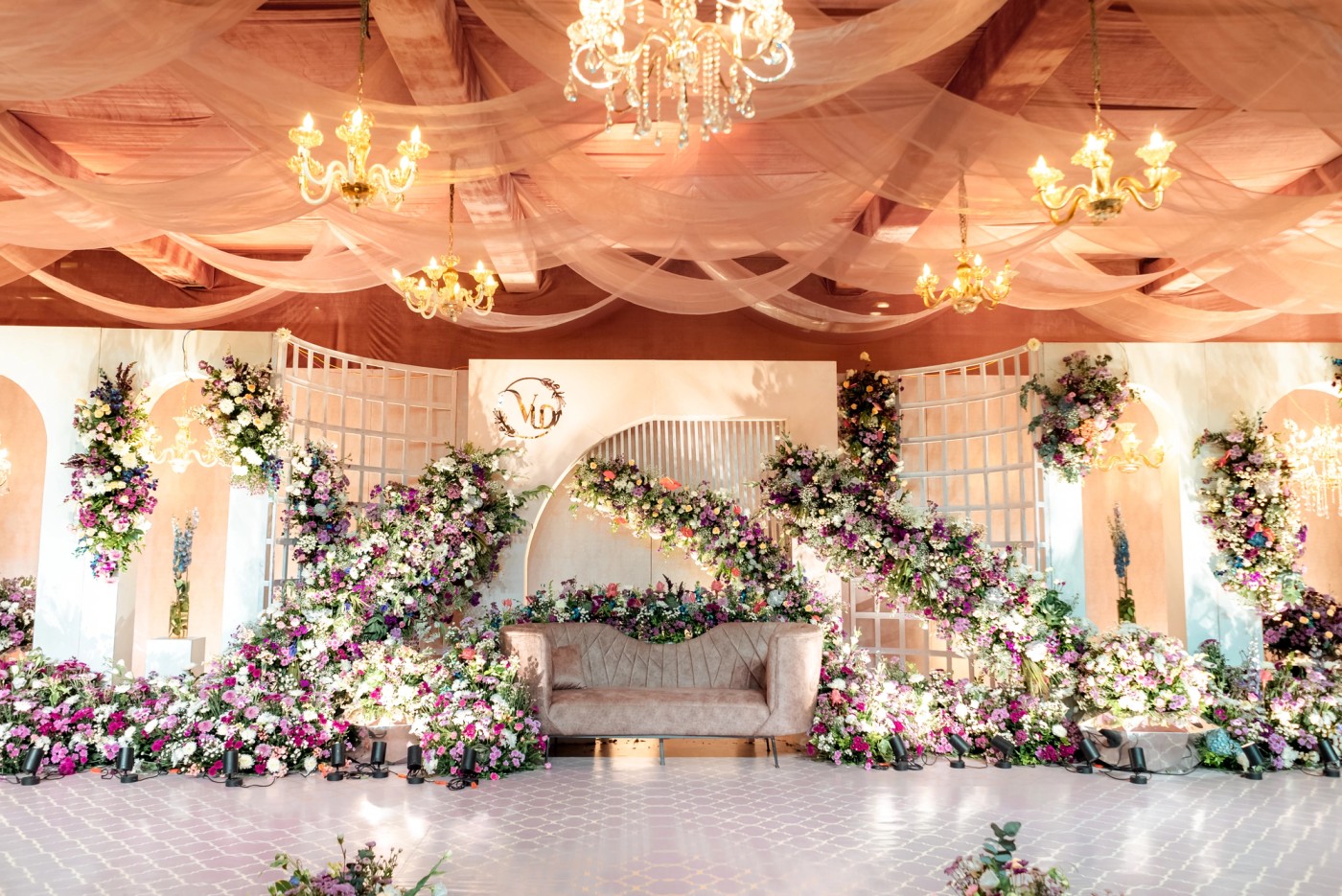
A Different Finale The reception can deviate significantly from previous functions. If the wedding was traditional, the reception can be modern. If the wedding was vibrant, the reception can utilize a subdued neutral color scheme.
Consider incorporating:
- Focal point stage
- Elegant dining tables
- Lounge furniture
- Ambient lighting
- Floral arrangements
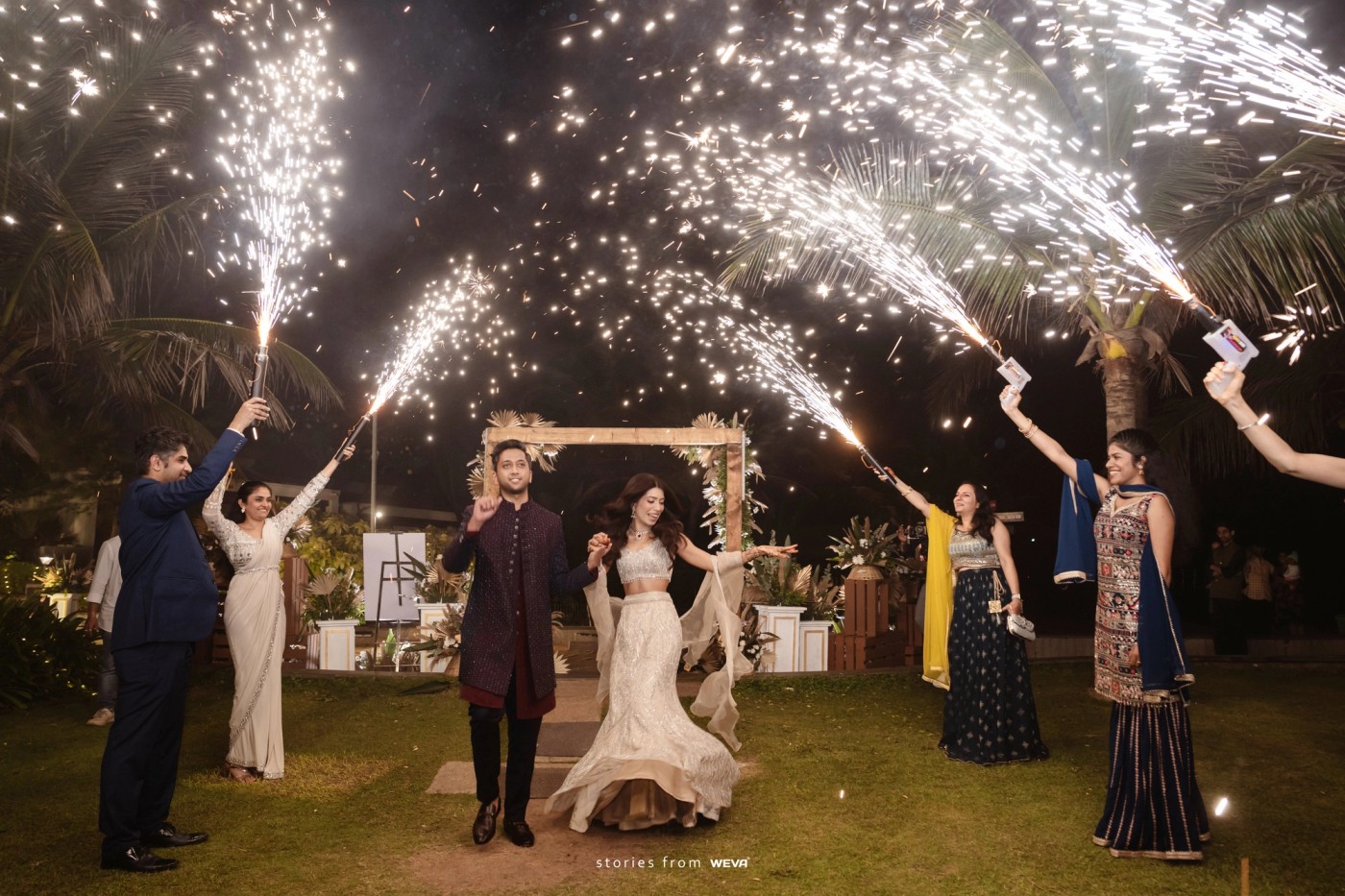
- Couple entrance
- Entertainment
- Dining experience
Reception is typically an opportunity to provide a refined evening environment.
How Do You Tie Everything Together?
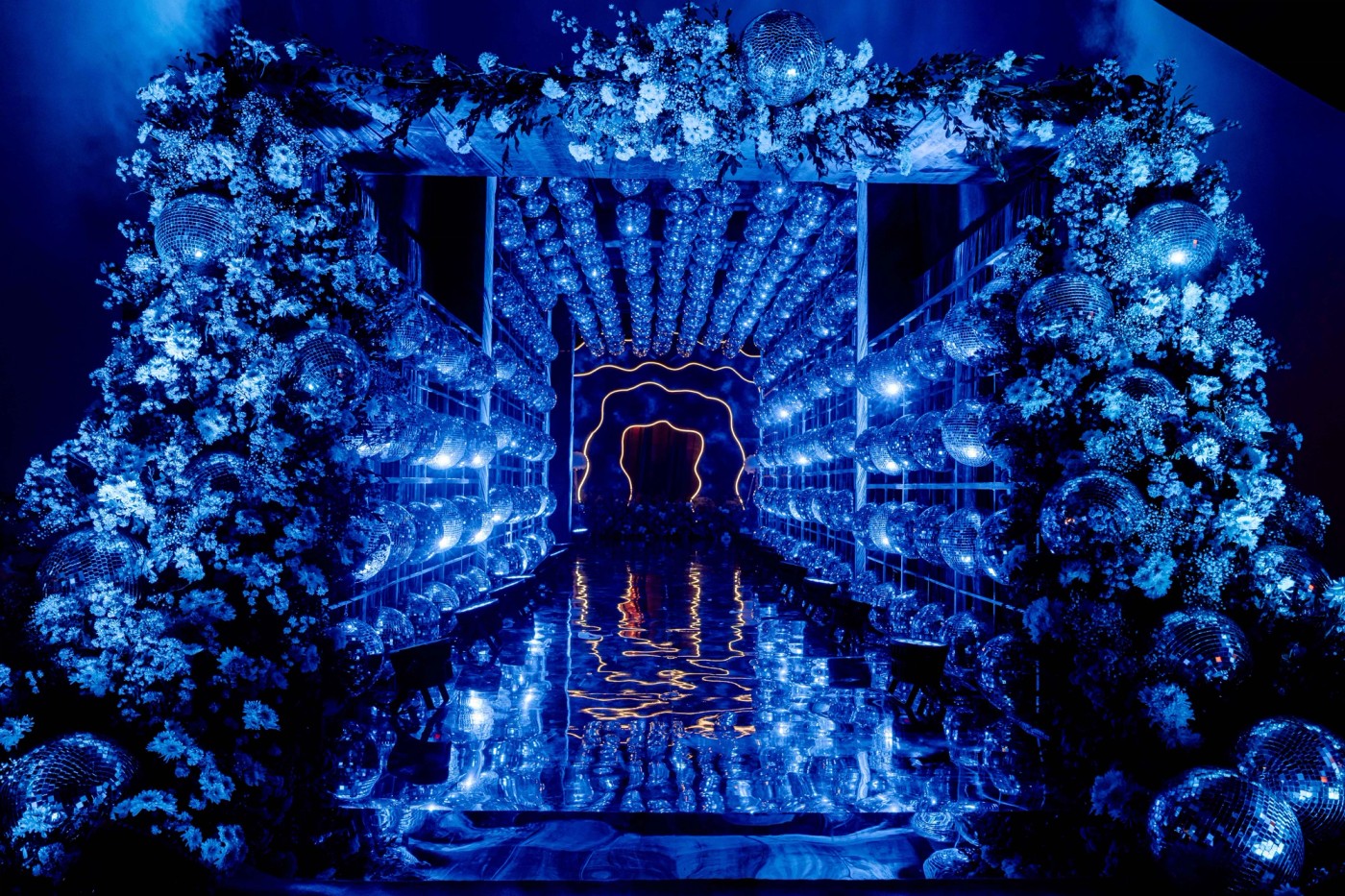
Tying together multiple functions is perhaps the greatest challenge when designing a multi-function wedding. If each function utilizes completely different colors, fonts, flowers and decor styles, your wedding will appear disjointed. Instead of utilizing completely different styles throughout your wedding, select a few recurring design elements.
1. Color Family: You don't necessarily have to utilize one specific color. You can utilize related hues.
For example: Haldi - Yellow & Peach Mehendi - Peach & Green Sangeet - Wine & Champagne Wedding - Ivory & Gold Reception - Champagne & Blush Although the colors change from function to function, they share a similar palette.
2. Floral Language: You can utilize different floral combinations while maintaining a similar floral style.
For example: Utilize abundant loose florals throughout your wedding rather than utilizing dense traditional arrangements at one function and extremely sparse arrangements at another function.
3. Stationery: Stationery(invitations, menus, welcome signs, luggage tags, itineraries, table stationery) can utilize a consistent design language. Consistent design language enables continuity even though décor changes from function to function.
4. Signature Motif: A couple can utilize a recurring monogram, illustration, pattern or symbol appearing subtly throughout multiple functions. Signature motifs create a personalized visual thread.
One Wedding, Multiple Venues Multi-function weddings frequently involve multiple venues. Multiple venues introduce additional planning complexities for your team including:
- Coordinating guest travel
- Coordinating vendor travel
- Transferring decor
- Setting up/taking down decor
- Production
- Food preparation
- Hospitality
- Timeline coordination
A multi-function wedding should appear seamless to guests even though logistical coordination is anything but seamless. This is especially true for destination weddings.
Create One Master Timeline Each function requires its own schedule.
However, you also require one master wedding timeline. Your master wedding timeline should include:
- Vendor arrivals
- Setup schedules
- Guest arrival schedules
- Couple arrival schedules
- Photography schedules
- Ceremony timing schedules
- Performance schedules
- Meal service schedules
- Transportation schedules
- Dismantling schedules
- Venue handover schedules
A master timeline enables each team member to comprehend how their responsibilities impact other teams.
Hospitality Becomes Increasingly Important With Each Function Hospitality becomes part of the guest experience when guests attend multiple events over several days. Guest management may include: RSVP tracking , Accommodation arrangements, Room allocation arrangements, Airport transfer arrangements, Welcome kit arrangements, Room hamper arrangements, Transportation arrangements, Function itinerary arrangements, Check-in arrangements, Guest communication arrangements Hospitality management becomes increasingly complex with each additional function/venue added to your multi-function wedding.
Professional hospitality management can serve as a primary contact point for guests so that family members are not continually responding to logistical inquiries.
Don't Turn Your Couple Into Project Managers One of the benefits of retaining professional wedding planning services is retaining someone else to coordinate all of the moving pieces associated with your multi-function wedding. Couples should not be concerned about confirming that stages are completed at 5 PM; confirming that guests have arrived at a venue; or confirming that a vendor has received an updated timeline.
Your professional wedding planner should be coordinating all of these details behind-the-scenes. At The Wedding Experience, full-service wedding planning includes venue selection/sourcing; vendor management/contract negotiations/payments/RSVP tracking/accommodation management/hospitality management/logistics management/event timeline management.
Production team members work closely with design team members enabling concepts developed on mood boards/2D layouts/3D visualizations to be fabricated/executed on-site.
The integrated approach taken by The Wedding Experience becomes invaluable when planning multi-function/multiple-venue weddings.
The Key Is Not Making Everything Different
It is a common misconception that every wedding function requires an entirely new décor concept. It does not. Each function requires a different mood/atmosphere. Your Haldi can be fun/playful. Your Mehendi can be colorful/relaxed. Your Sangeet can be dramatic/performance based.
Your wedding can be elegant/traditional. Your reception can be sophisticated/refined.
However, all of these functions can share a common visual language and therefore create a cohesive experience for your guests.