

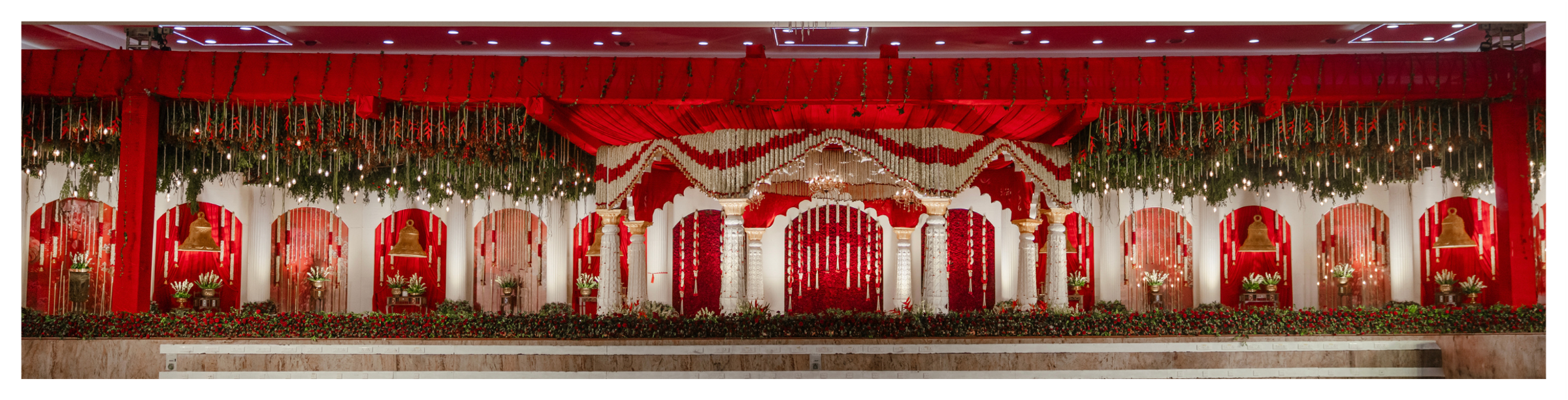
Wedding Venue

How to Choose the Right Wedding Venue
20 Things Couples Should Check Before Booking
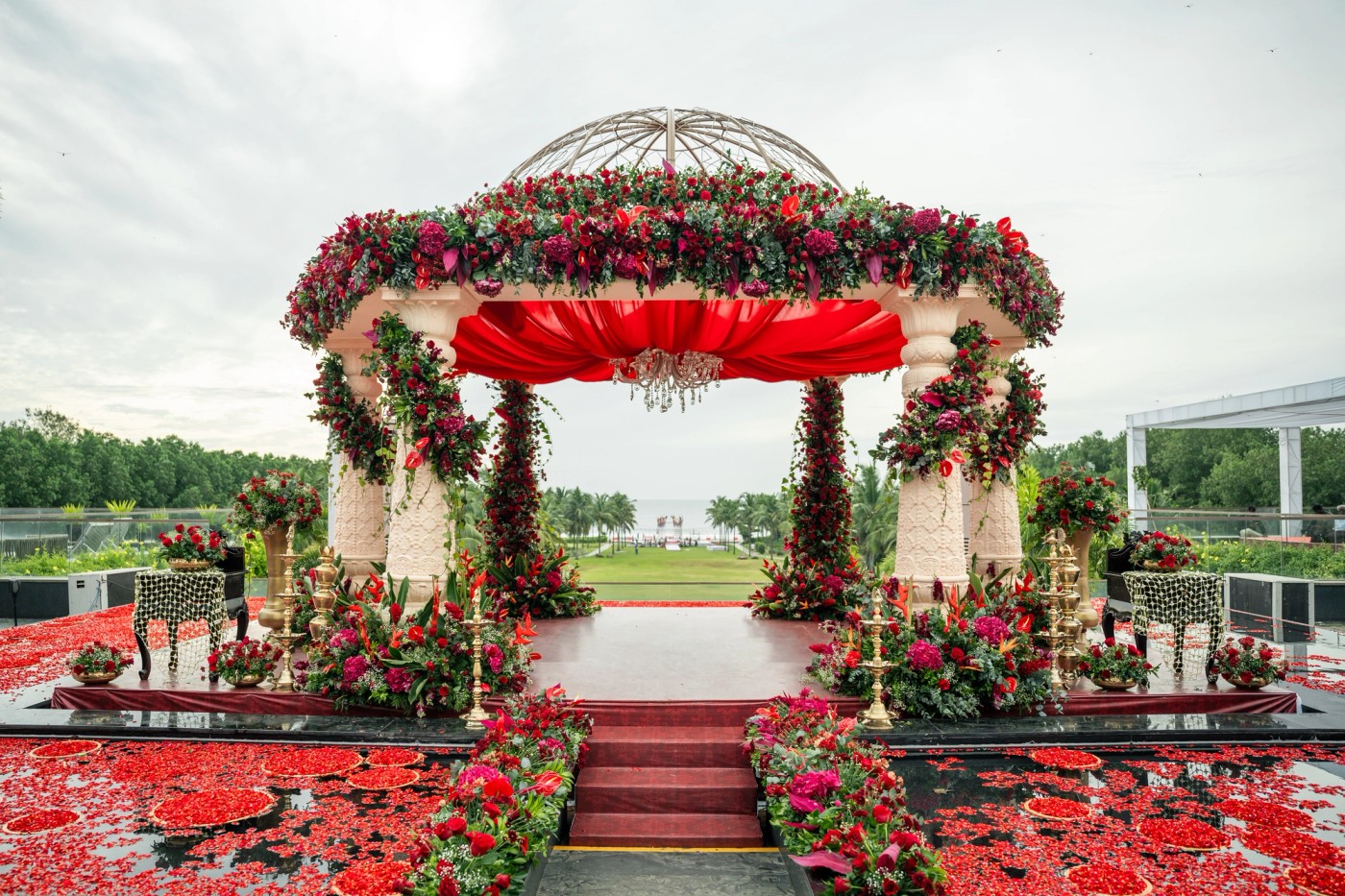
After 500+ celebrations, our advice to every couple is the same: fall in love with your venue second.
Check it first. A venue that looks stunning online can still have a ceiling too low for your mandap, a power supply that trips during sound check, or a rain plan that is more promise than plan.
This guide shows you how to choose the right wedding venue the practical way. Use our 20-point wedding venue checklist and the essential questions to ask before booking a wedding venue to uncover potential problems before you sign. Once a venue passes the practical checks, you’re free to fall in love.
Start With Your Non-Negotiables
Before you tour anything, agree on the basics. How many guests are coming? Which dates, or which season? What is your venue budget? What mood do you want? And how many functions will happen on site?
A shortlist built on these answers saves weeks. It also stops you from falling for a place that cannot hold the wedding you want.
Space and Capacity: Will Everything Fit?
1. Check the real wedding venue capacity
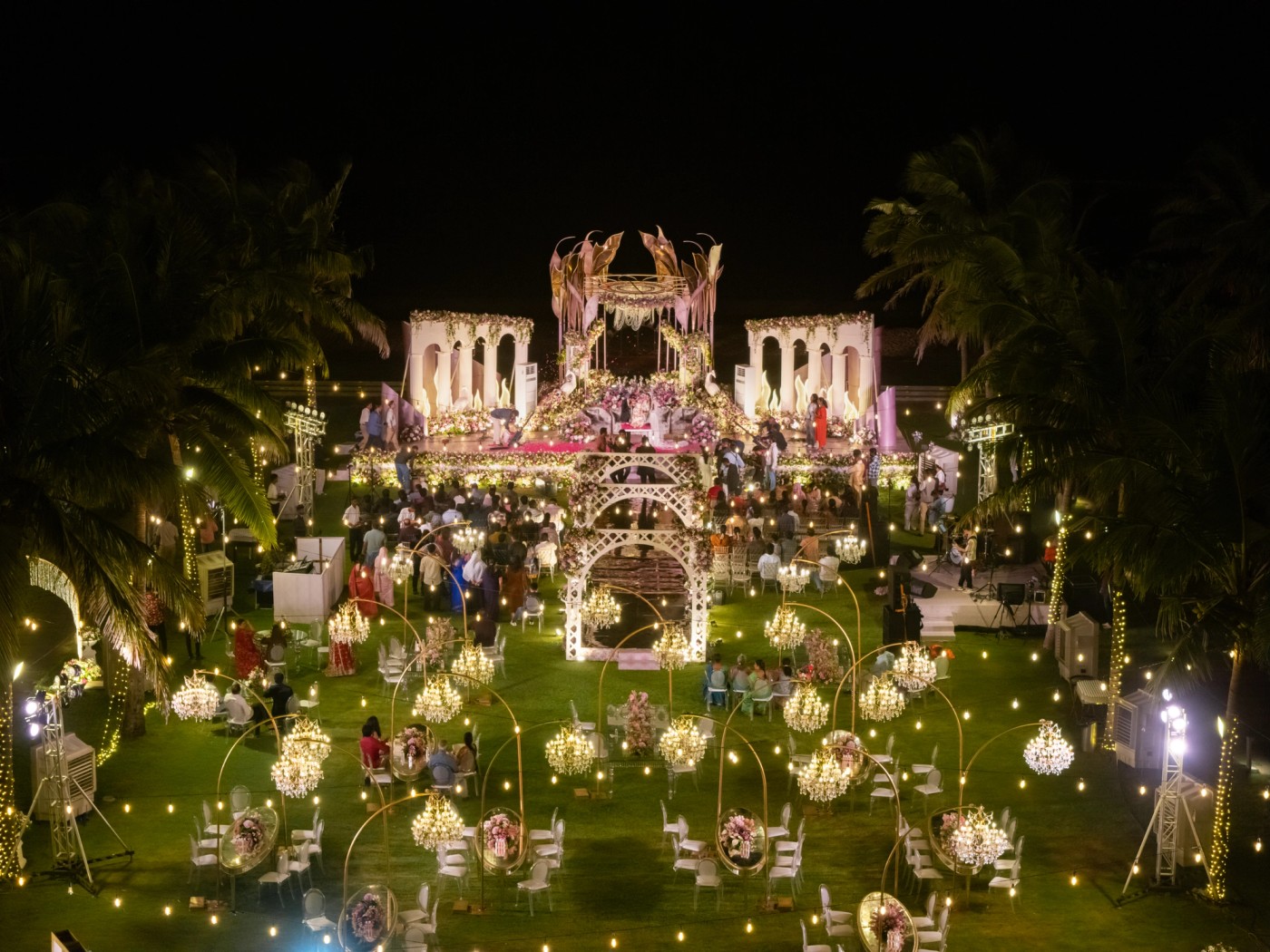
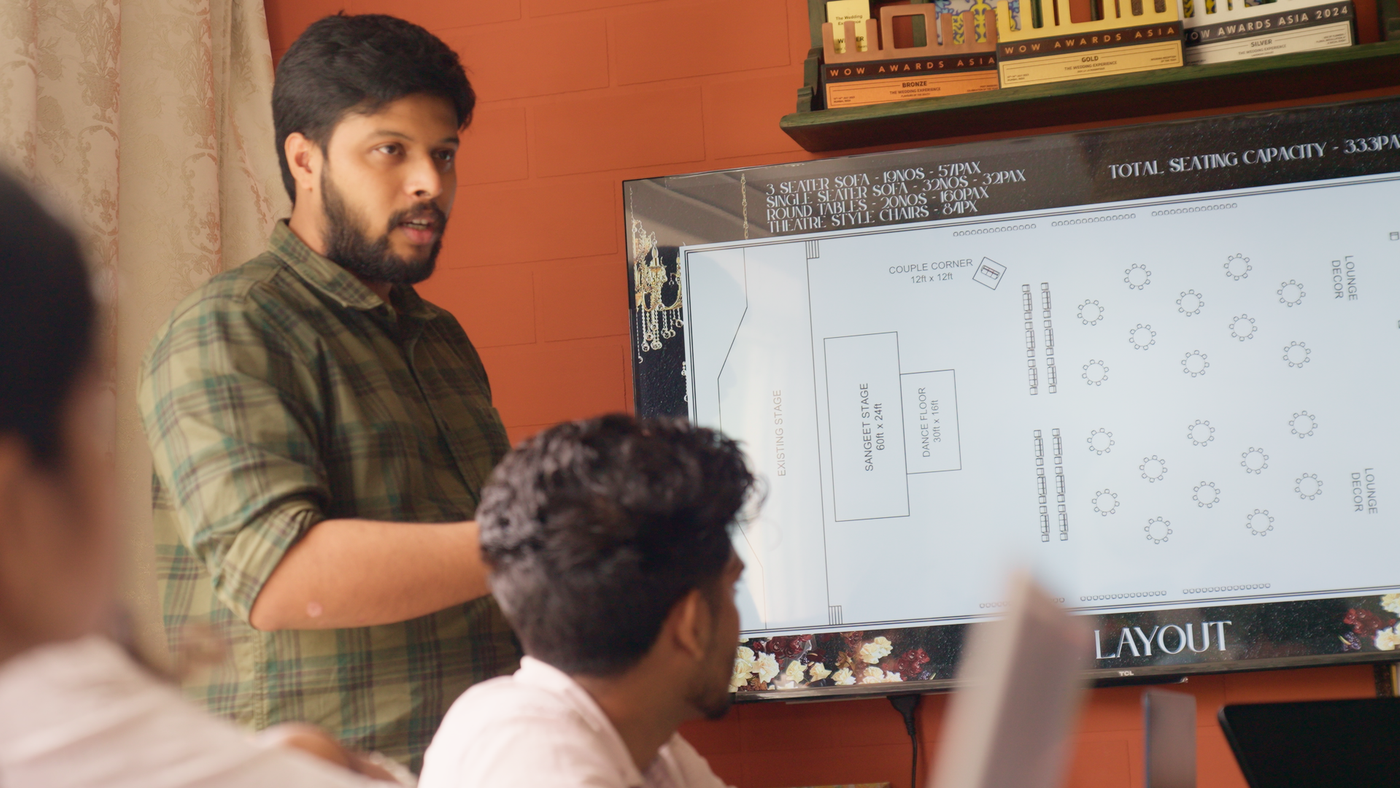
Venues often quote one big number. It rarely tells the full story. Capacity changes with the setup: seated dinner, cocktail style or theatre seating. It changes again once you add a stage, a dance floor and live counters. Check the number for each function, not just the main one.
Ask: What is the capacity for a seated dinner with a stage and dance floor?
2. Study the layout and flow
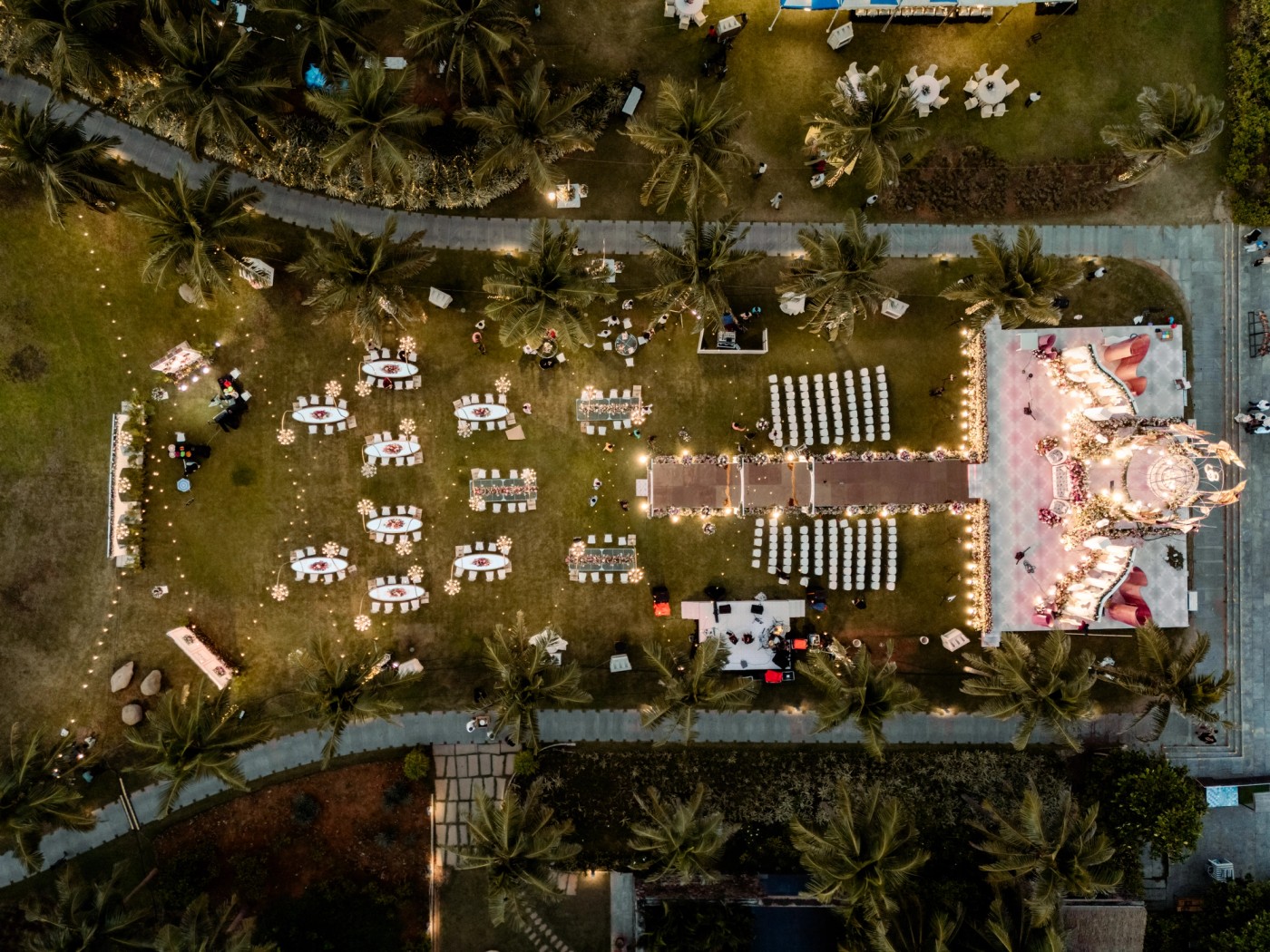
Picture your guests moving through the space. Where do they enter? Where do they eat, dance and find the washrooms? Look for bottlenecks near the bar, the food counters and the stage. A good layout feels easy. A bad one creates queues.
Ask: Can we see a floor plan with dimensions?
3. Look at indoor and outdoor space together
Many venues offer both. Check how easily guests can move between them. Outdoor lawns need shade, level ground and enough light after dark. Indoor halls need good ventilation and cooling for a full crowd.
Ask: Which spaces are available to us, and are they connected?
Guest Comfort and Access
4. Count the rooms
Rooms matter, especially if guests are travelling. Check how many are on site, what types they are and whether the venue sets a minimum number of bookings for events. Keep a buffer for last-minute arrivals.
Ask: How many rooms are on the property, and is there a minimum booking?
5. Test the location and route
Do the drive yourself. Time it from the airport or station, at the hour your guests will travel. Note the road condition, the traffic and the signage. A lovely venue that takes too long to reach is a tiring one.
Ask: What is the usual travel time at peak hours, and is there an alternate route?
6. Plan for parking and vehicle movement
Count how many cars the venue can hold. Check for valet service, shuttle drop-off points and a separate entry for vendors. In old cities with narrow lanes, vehicle movement needs real planning.
Ask: How many vehicles can park on site, and can vendors use a separate gate?
7. Check washrooms and green rooms
Guests remember washrooms. So check how many there are, how clean they are and how close they sit to the main space. Look for a bridal room, a groom's room and changing space for family members. Make sure the air conditioning works in each one.
Ask: How many washrooms serve the main event space, and which changing rooms are included?
8. Think about elders and accessibility
Weddings bring several generations together. Look for ramps, working lifts and seating near the ceremony area. Check the walking distance between spaces. Small details like these make elderly guests feel cared for.
Ask: Are ramps and lifts available, and can buggies or golf carts be arranged?
Rules, Policies and Contracts
9. Ask about vendor restrictions
Some venues insist on in-house or approved vendors. Others welcome outside teams but charge a fee or set rules. Find out before you sign, especially if you already love a photographer, caterer or decor team. If there is a required list, speak to those vendors first.
Ask: Can we bring our own vendors, and are there any fees or guidelines for them?
10. Understand the food and alcohol policy
Food is central to every Indian wedding. Confirm whether catering is in-house or open to outside caterers. If you bring your own, ask about kitchen access and charges. Check the alcohol rules too, including licences, corkage fees and last-call timings.
Ask: Who can cater, and what are the rules and charges for alcohol?
11. Confirm music and sound limits
Music is the heartbeat of the Sangeet. Ask what time it must stop and whether the limits differ indoors and outdoors. Heritage properties and venues in residential areas are often stricter. Local rules can apply as well, so check them early.
Ask: What are the sound limits, and what is the music cut-off time?
12. Read the wedding venue contract and payment terms
Read every line before you sign. Look at the payment schedule, the cancellation and refund terms, and what happens if you change the date. Make sure every promise made in conversation is also written down. If something feels vague, ask for it to be clarified.
Ask: What is the payment schedule, and what are the cancellation and refund terms?
13. Confirm exclusive use and date availability
Ask whether the venue is yours alone on your dates. Another event nearby can affect noise, parking and staff attention. Peak wedding dates also book early, so check availability as soon as you have a date range.
Ask: Will our event have exclusive use of the venue on those dates?
Production and decor Access
14. Ask about load-in and setup time
Big decor takes time. Find out when vendors can enter, how many hours they get and when teardown must finish. Check the loading access, the gate height and the lift size too. Tight timings can force you to simplify the design on the day.
Ask: What are the vendor entry times, and how large are the loading gates and lifts?
15. Check the power supply and backup
Lighting, sound, kitchens and production all draw power. Ask how much electrical load the venue can support and whether a backup generator is on site. Separate power for production keeps your lights and sound steady.
Ask: What is the available electrical load, and what backup power exists?
16. Know the decor rules
Every venue has limits. Ask about rigging points, ceiling height, open flames, nails or tape on walls, and floor protection. Some properties also restrict water, petals or heavy installations. Share your design early so the venue can confirm what is possible.
Ask: Where can we rig, and are there restrictions on flames, water or heavy structures?
17. Assess lighting and photography conditions
Visit at the time of your ceremony. See where the sun falls, where shadows gather and how dark the corners get. Strong light can make guests squint during the pheras. Dim areas make photography hard.
Ask: Can we visit at the same time of day as our ceremony?
Weather, Safety and Cost
18. Inspect the rain plan for an outdoor wedding
If any part of your wedding is outdoors, this one is essential. Ask to see the actual backup space. Check its capacity, whether it is included in the price and when the decision to move must be made. Be wary of a casual "it rarely rains here" reply.
Ask: Can we see the indoor backup, and does it fit our full guest count?
19. Check safety and permissions
Look for clear fire exits, extinguishers, wide walkways and trained security. Ask about medical help and the nearest hospital. Confirm any permissions needed for sound, fireworks or open flames in that area.
Ask: What safety arrangements are in place, and who handles local permissions?
20. Get the full cost in writing
Hidden charges can quietly stretch a budget. Ask for a complete fee breakdown, including service charges, taxes, cleaning, corkage, power, overtime and damage deposits. Compare venues on total cost, not just the headline rent.
Ask: Can you share an itemised quote with every charge listed?
The Final Step: Walk Through With Your Wedding Venue Checklist
Before you pay a deposit, visit once more. Go at the time of day your event will happen. Bring your planner and decor team if you can.
Then walk the venue twice. First as a guest: arrival, parking, welcome, washrooms, dining and exit. Then as a vendor: the gate, the lift, loading, power points, backstage and the kitchen. Take photos and measurements. Ask who will be on site as the venue's point of contact on the wedding day.
If something does not work, you will know before you sign.
How We Help You Choose the Right Venue
Choosing a venue is a big decision, and it is easier with a team that thinks about the ground realities.
At The Wedding Experience, our venue selection covers site scouting, contract negotiations and spatial planning across luxury resorts, beachfront venues, and palace and heritage properties. At venues we haven't worked in before, our team runs assessments, technical planning and production checks before execution. And because design and production sit under one roof, we can see early whether your concept will actually fit the space.
Still deciding between venues? Talk to our team and let's find the one that fits your story.
How to Choose the Right Wedding Venue: Frequently Asked Questions
How early should we book a wedding venue?
We recommend booking 6 to 12 months ahead, especially for peak-season dates, destination weddings and large multi-day celebrations. Popular venues fill early. Shorter timelines are possible depending on availability and scope.
How many venues should we visit before deciding?
Aim for a shortlist of three to five. Fewer can leave you without comparison. More can leave you tired and confused. Use the checklist above to compare each one on the same points.
Should we choose the venue or the date first?
If your dates are flexible, choose the venue first. A great venue on a slightly different date beats an average venue on your first-choice date. If your date is fixed, check availability before you fall in love with a place.
Can we bring our own vendors to any venue?
Not always. Some venues have approved vendor lists or rules for outside teams. Ask before you book. A planner can then coordinate your chosen photographers, caterers and artists within one overall plan.
What should a rain plan include?
A good rain plan includes a covered backup space that fits your full guest count, a clear price for using it and a firm deadline for deciding. It should also cover power, flooring and the path guests will walk. Ask to see the space, not just hear about it.
What is the biggest mistake couples make when booking a venue?
The biggest mistake is falling for the photos and skipping the practical checks. Power, access, load-in time and the rain plan decide how smoothly the day runs. They matter just as much as the view.
