

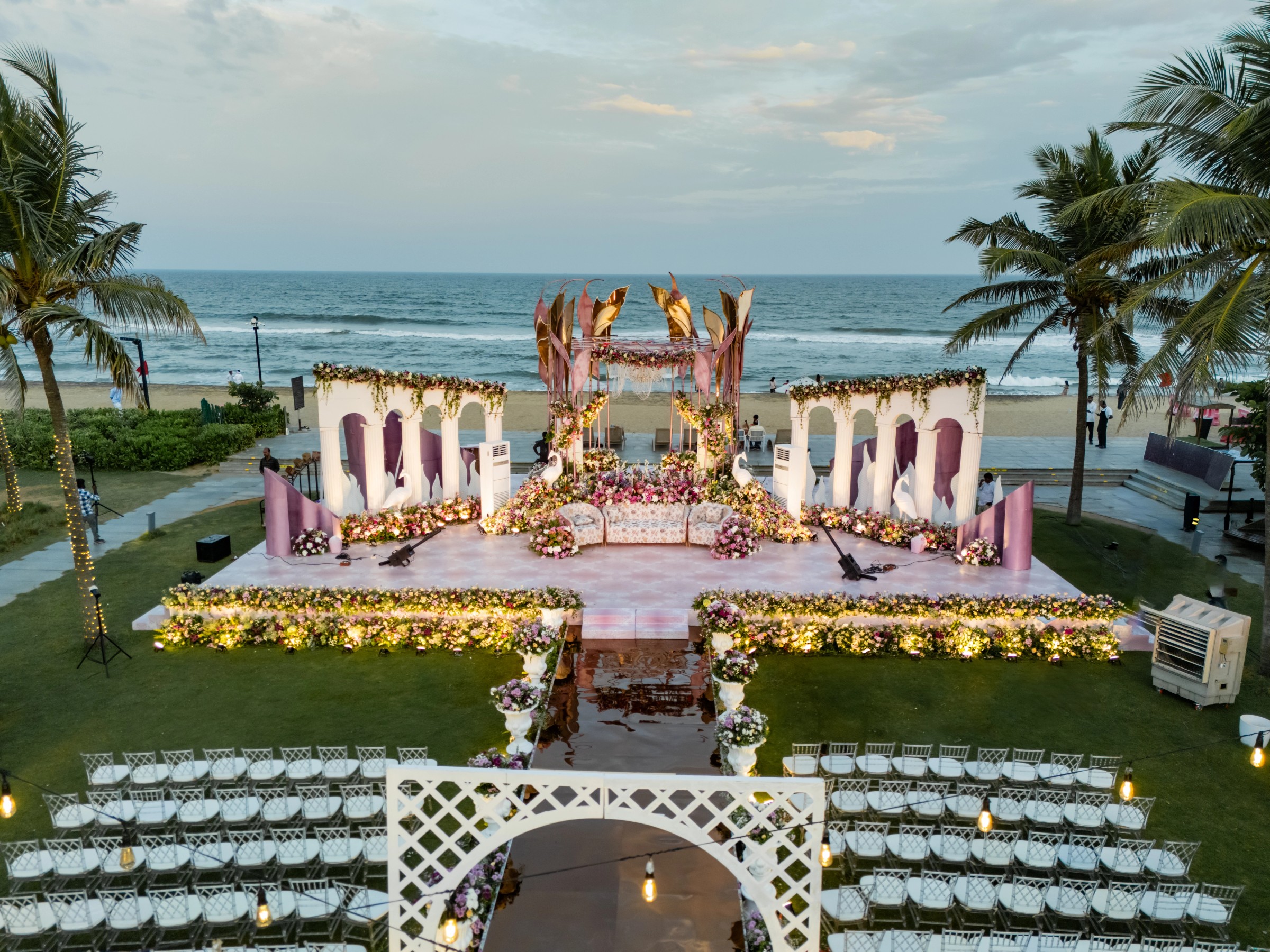
Destination Wedding Planning

Destination Wedding Planning in India
The Complete Guide for Couples
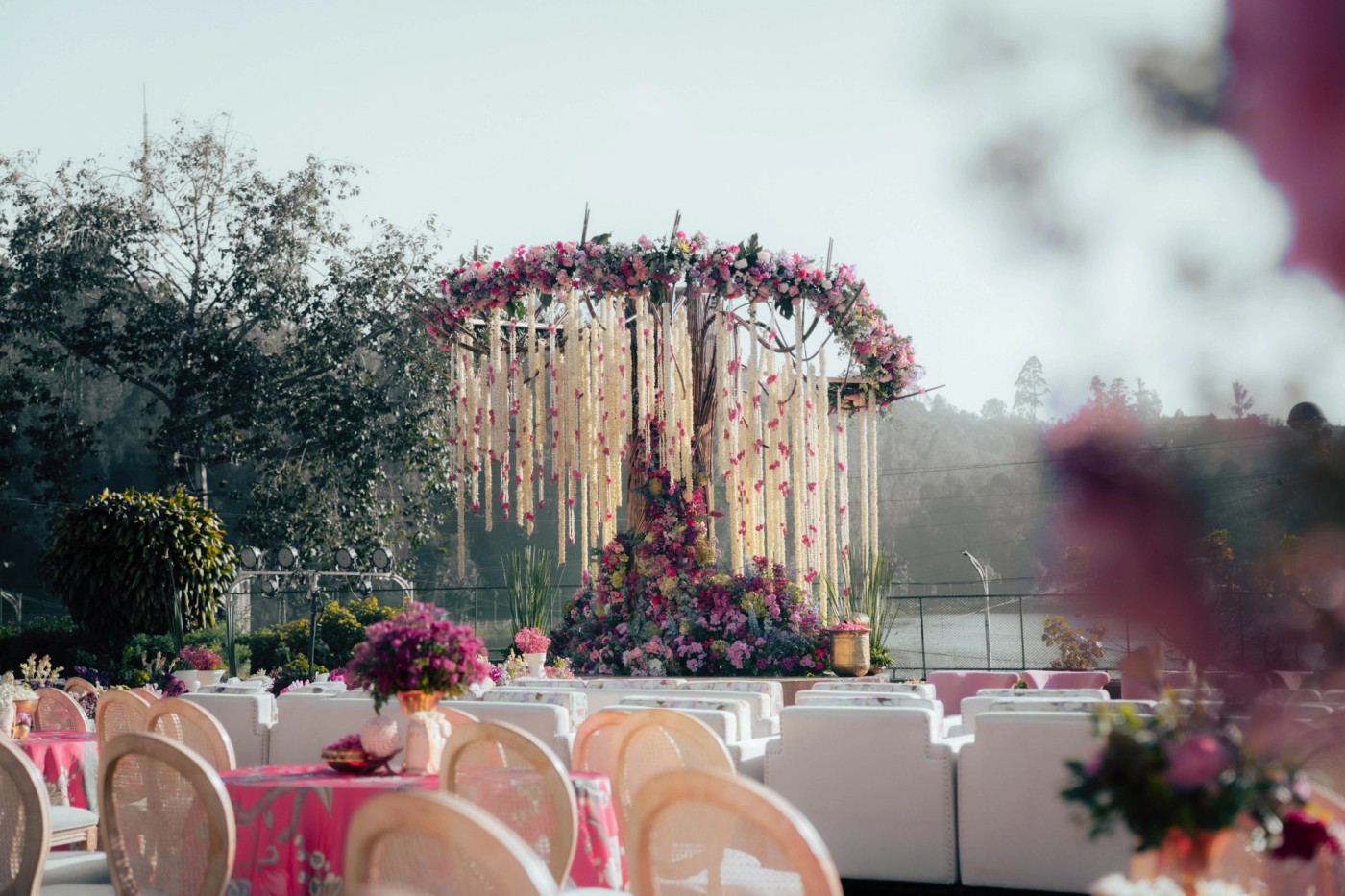
Imagine your Mehendi on a lakeside terrace. Your Sangeet beneath a fort wall, lit gold at dusk. Your pheras on a beach as the sun sinks into the sea.
That is the promise of destination wedding planning in India. And it is very real.
But here is what no Instagram post shows. Guest flights. Room blocks. Transfers across a busy city. Monsoon dates. A decor build that has to travel hundreds of kilometres.
This guide covers all of it. Where to go, when to go, how to look after your guests, what drives the budget and how to plan without losing your mind.
Why Choose a Destination Wedding in India?
Because a destination wedding turns a few events into one shared experience. Guests don't just attend. They travel with you, stay with you and celebrate for days. For many families, it doubles as a mini holiday.
India also gives you range. Palaces and forts. Lakes and deserts. Beaches and backwaters. Each setting comes with its own food, music and craft.
There is a practical upside too. When most functions happen at one property or in one city, guests spend less time commuting and more time celebrating.
Best Destination Wedding Locations in India
Every destination has its own mood. Here is a quick comparison, followed by what makes each one special.
Destination | The feel | Best Months | Great for |
|---|---|---|---|
Jaipur | Royal and colourful | November to February | Grand palace weddings with folk performances |
Udaipur | Lakes and palaces | September to March | Romantic, cinematic celebrations |
Jodhpur | Fort views and desert drama | October to March | Heritage weddings with big visual impact |
Goa | Beachy and relaxed | November to March | Sunset pheras and beachfront parties |
Chennai and Mahabalipuram | Temple town meets the sea | December to February, with a chance of showers in November | Beach weddings close to a major airport |
Kerala | Backwaters and green calm | September to March | Intimate, scenic celebrations |
Every destination has its own mood. Here is a quick comparison, followed by what makes each one special.These months are a general guide. Always check local weather patterns, peak-season demand and venue availability for your exact week.
Jaipur: Royal and Colourful
The Pink City is made for grand celebrations. Think palaces, courtyards, folk musicians and a palette of pink sandstone and gold. Jaipur suits couples who want heritage with high drama. Winter is the sweet spot, when outdoor events feel comfortable.

Udaipur: Lakes and Palaces
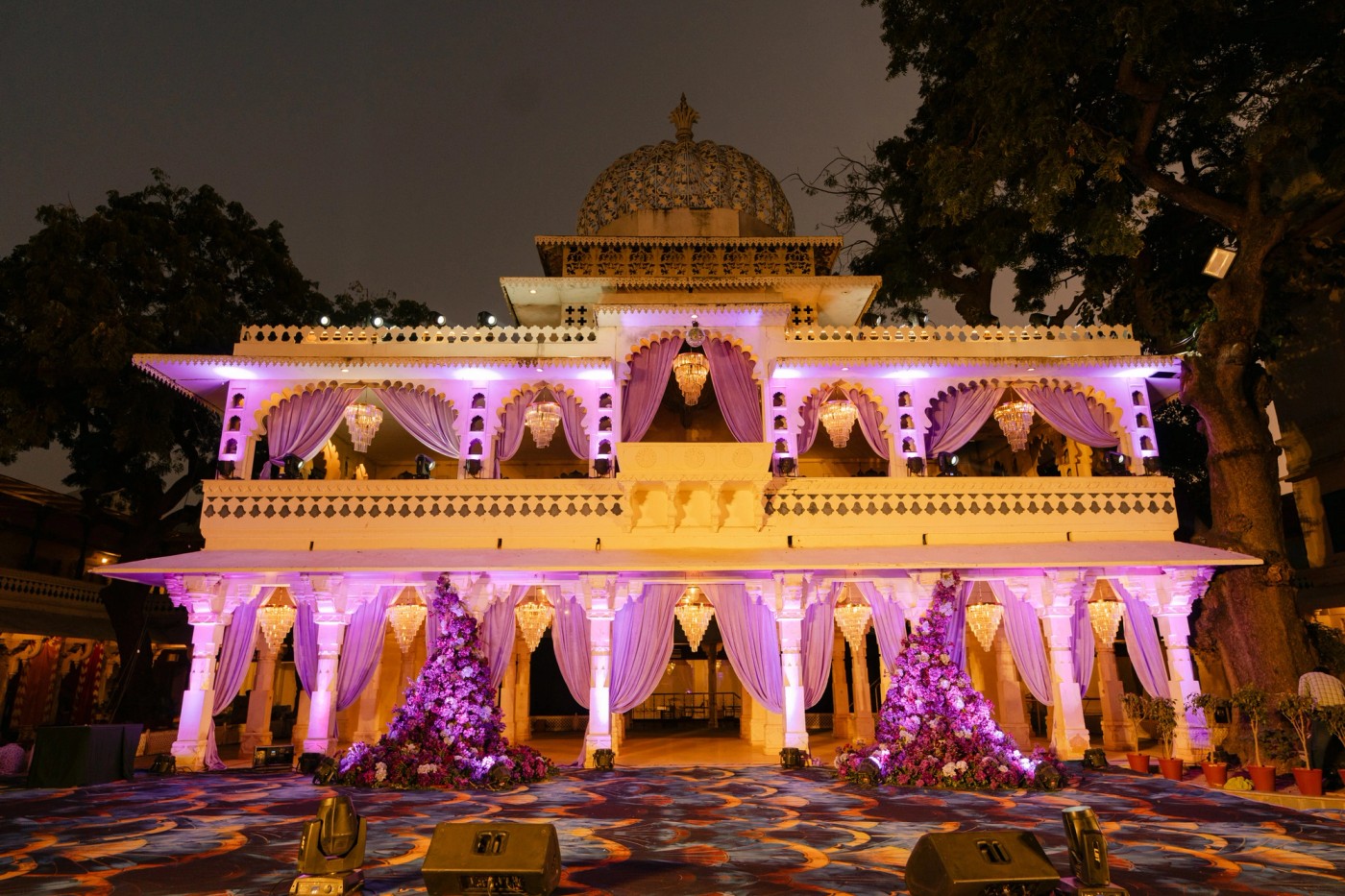
Udaipur is often called the City of Lakes, and it lives up to the name. Lakeside terraces, palace courtyards and hills give you romance on tap.
One practical note. The old-city lanes are narrow, so vehicles, vendors and decor trucks need careful planning. Some palace properties also ask for a minimum number of room bookings when you host an event, so ask early.

Jodhpur: Fort Views and Desert Drama
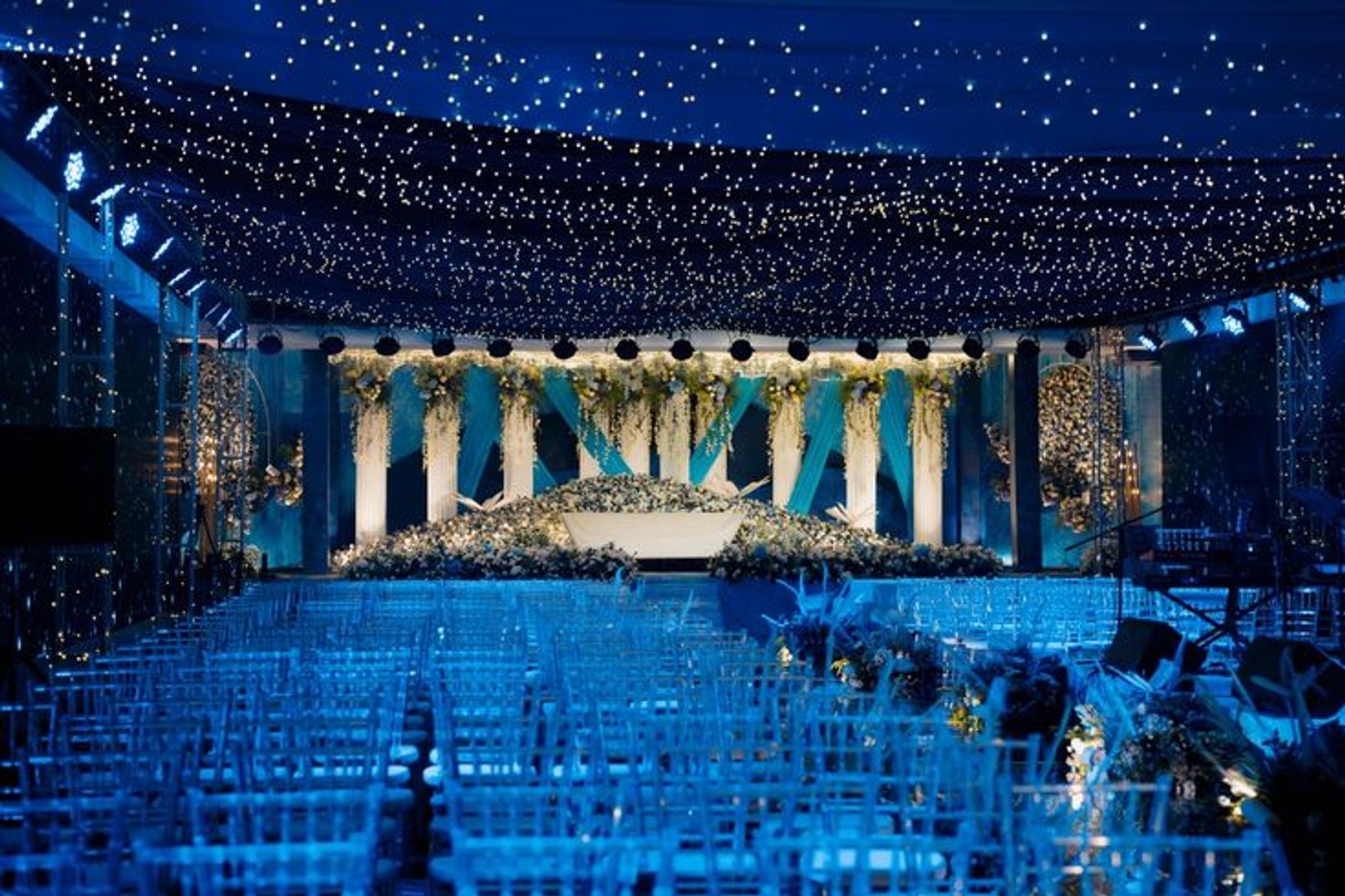
The Blue City offers one of the most striking backdrops in the country. Mehrangarh Fort looks over rooftops and havelis, and palace lawns suit both large and intimate events. Expect dramatic evenings and Rajasthani folk music that sets the tone the moment guests arrive.
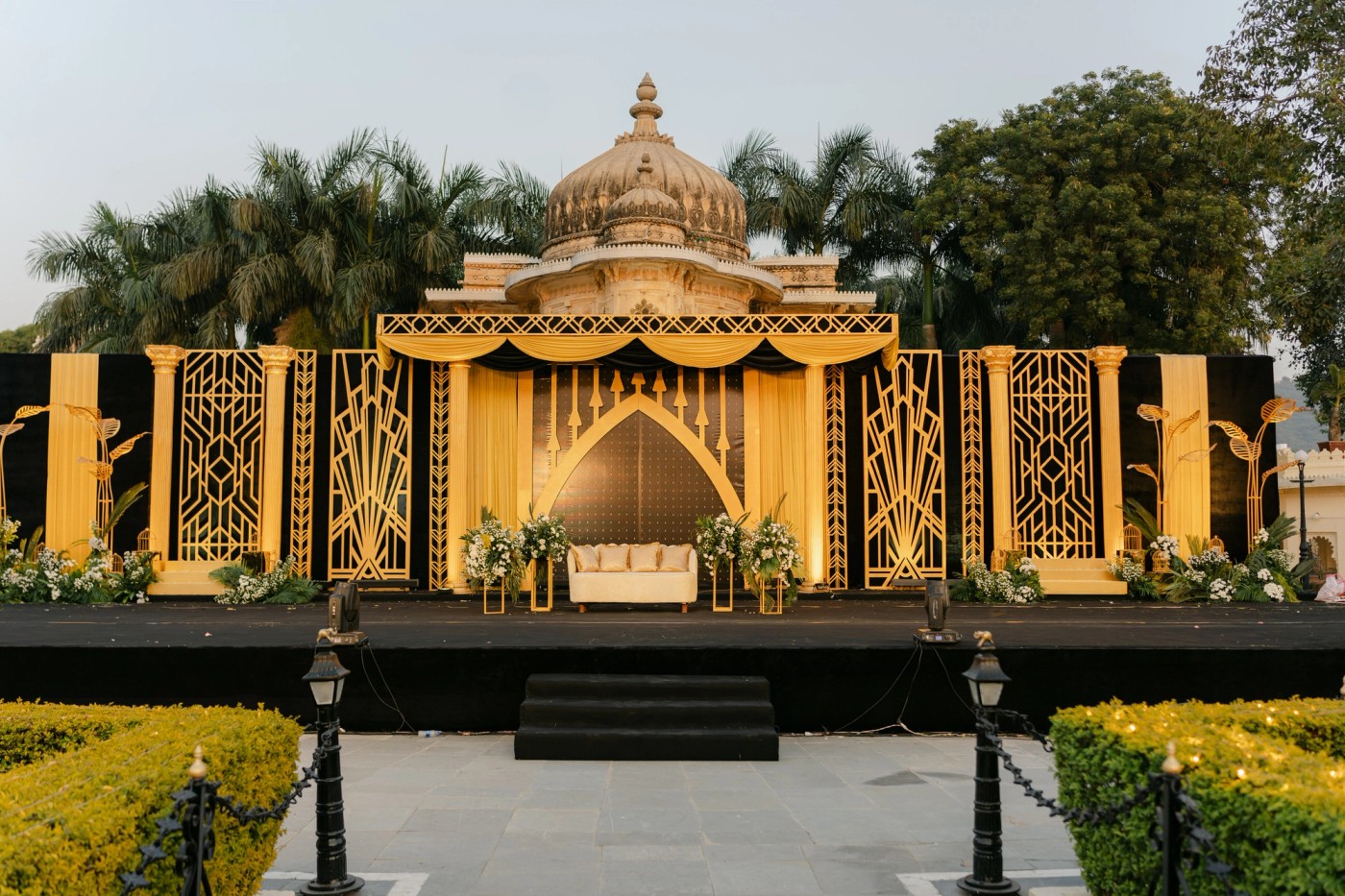
Goa: Sunsets and Easy Energy
Goa is for couples who want relaxed, beachy and lively all at once. Mehendi by the sea. Pheras at sunset. A late-night party nobody wants to end. Plan around the monsoon, since the heaviest rains fall roughly from June to August.
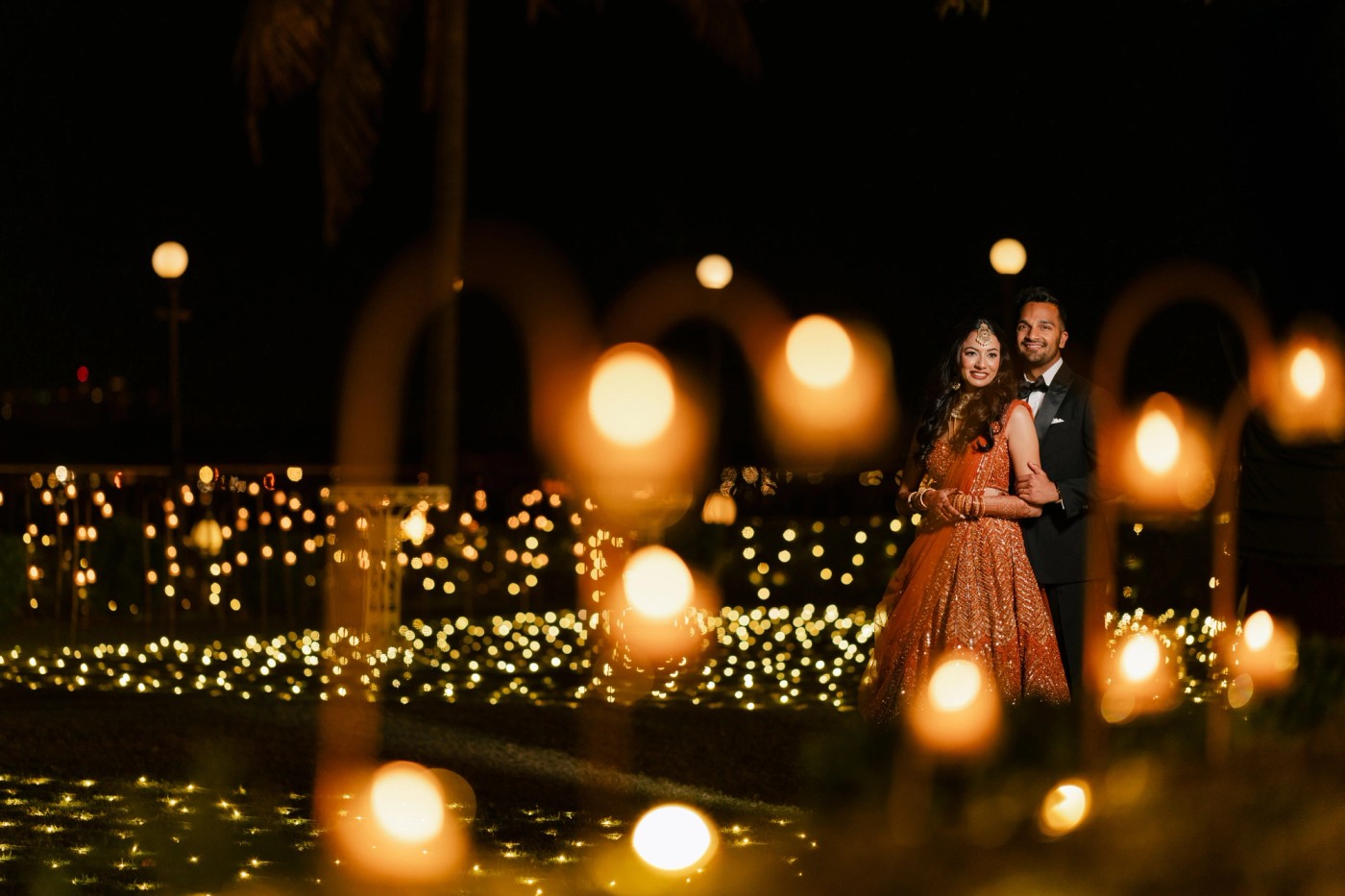
Chennai and Mahabalipuram: Temple Town Meets the Sea
Mahabalipuram sits a short drive from Chennai. It pairs beachfront resorts with the UNESCO-listed Shore Temple and a calm, coastal mood. November can bring showers, but resorts here are used to handling them.
This is our home ground. Our creative and planning teams work from Chennai, and our production facility sits in Mahabalipuram. decor is built close to the venue, which helps with timelines and quality control.
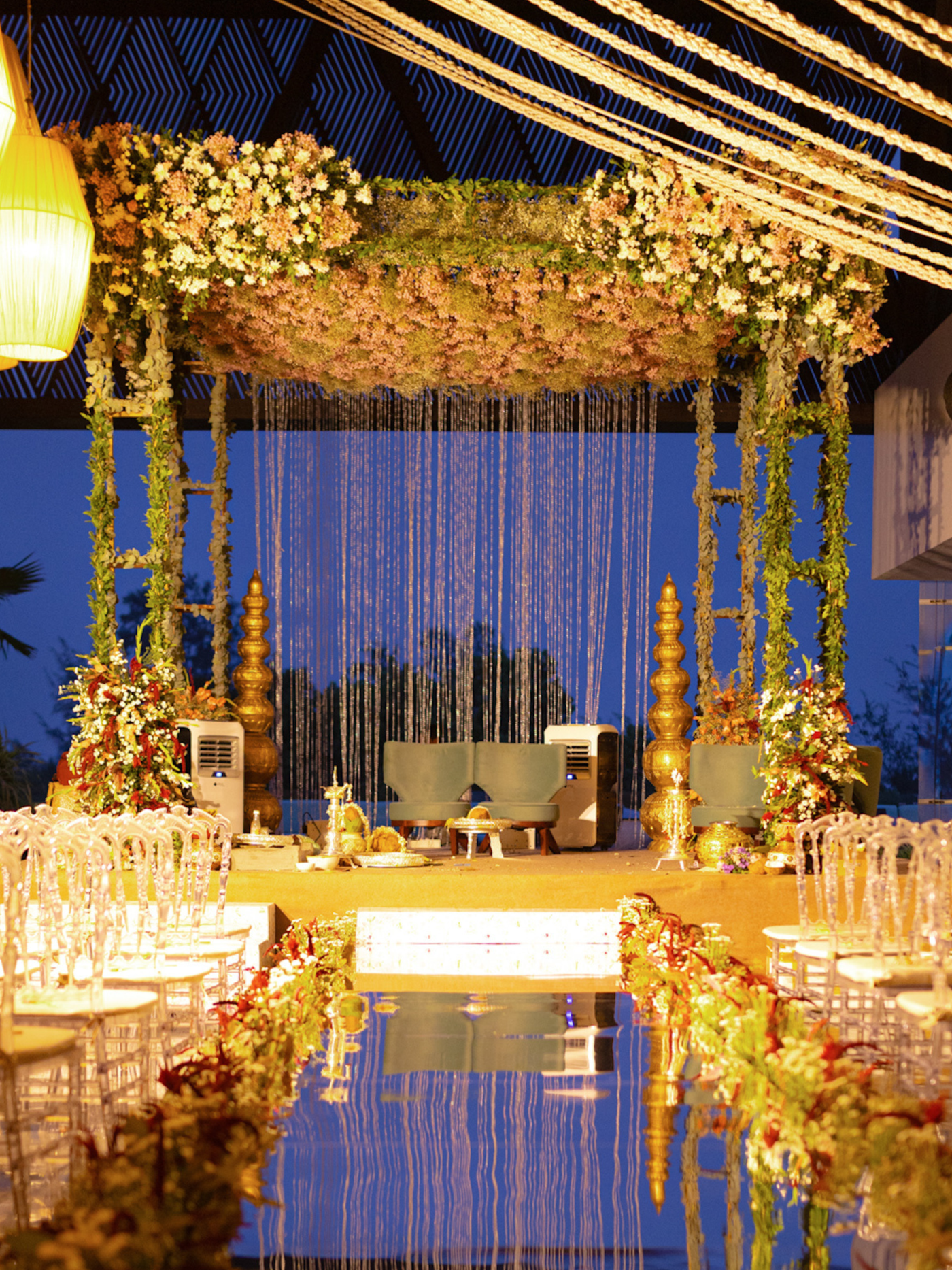
Kerala: Backwaters and Green Calm
Kerala suits quieter, more intimate celebrations. Think backwater resorts, palm-fringed beaches and hill stations like Munnar. The mood is slow and scenic. Avoid the heaviest monsoon months, roughly June to August, and allow extra time for road transfers between areas.
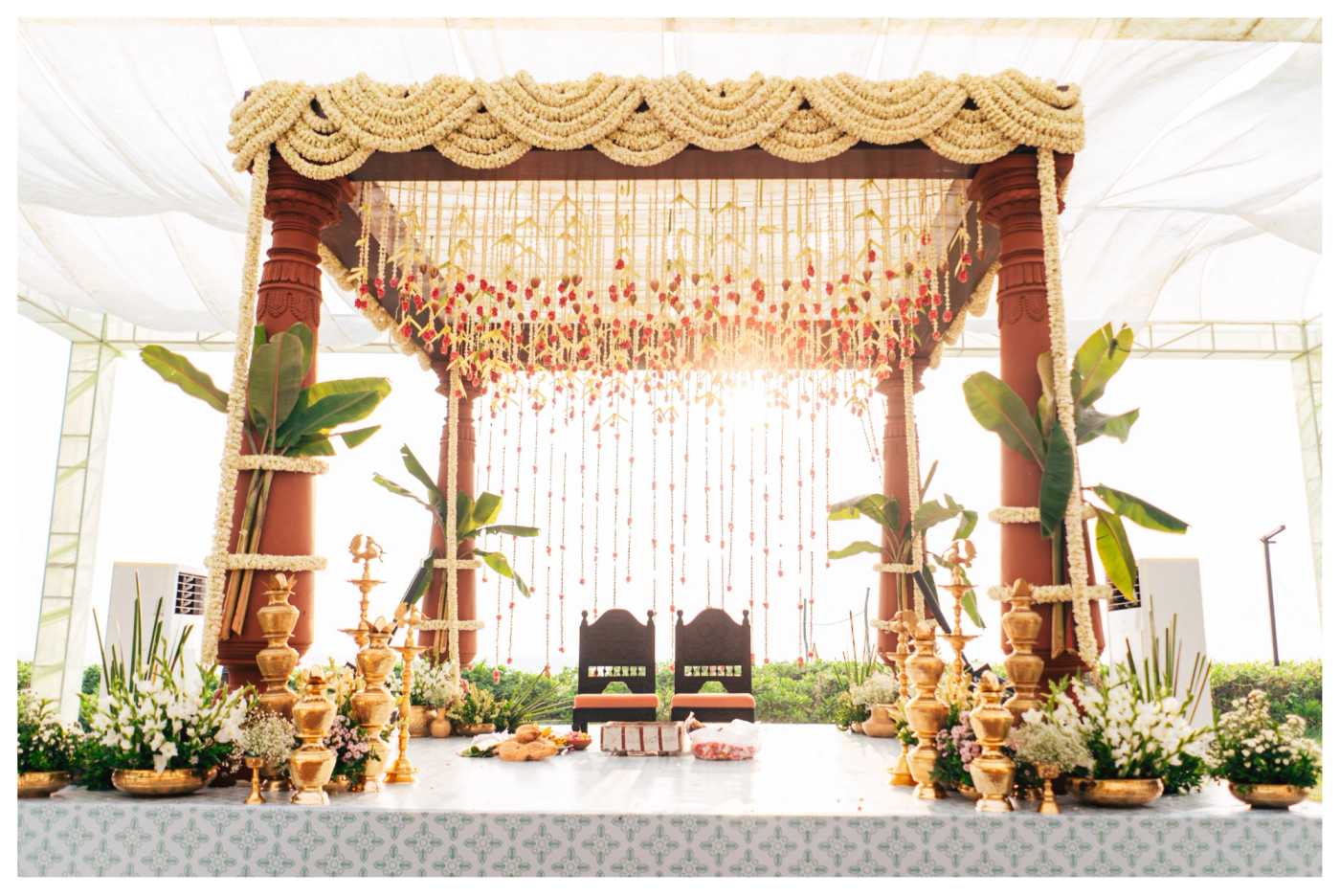
How to Pick the Right Destination
Start with people, not places. Ask yourself:
- How many guests are coming? And how easily can they reach the city?
- Who is travelling? Elderly relatives, young children and guests from abroad all need different things.
- What season are you aiming for? Weather shapes everything, from outfits to decor.
- What mood do you want? Regal, relaxed or intimate?
- How much of your budget can go to travel and stay, not just the wedding itself?
If you are torn between two cities, compare them on access and season first. Mood is easy to design. A long transfer is hard to fix.
Destination Wedding Guest Logistics: Where Plans Succeed or Fail
Good logistics are invisible. Bad ones are all anyone remembers.
Flights, rooms and room blocks
Share your dates early so guests can book flights. Reserve room blocks at the venue and nearby hotels. Keep a rooming list that matches every guest to a room, and watch any deadlines or minimum-room commitments.
Transfers and movement
Plan airport pickups around arrival windows. Arrange shuttles between venues. Give every function a simple movement plan, including when vehicles leave. In cities with narrow roads, allow extra time.
Guest communication
Send one clear itinerary. Name one contact person. Share dress codes, weather notes and what to carry. A guest who knows what comes next relaxes and enjoys. For more ideas, read our guide to creating an unforgettable wedding guest experience.
Destination Wedding Cost in India: What Drives Your Budget
Costs swing widely with the city, the season and the scale, and published figures vary a lot. So instead of a number that could mislead you, here is what actually moves the budget:
- Venue type: a palace, a beachfront resort and a private villa all price differently.
- Guest count: every extra guest adds stay, food, transfers and hospitality.
- Dates: peak winter weekends cost more and book up first.
- Number of functions: each one adds decor, production, entertainment and logistics.
- Decor and production: builds must be fabricated, transported and set up on site.
- Travel and stay: if you cover guest flights or rooms, this becomes a major line.
A few ways to get more from your budget:
- Book early for more choice and more room to negotiate.
- Look at off-peak dates in your chosen city.
- Spend where guests feel it: food, comfort and atmosphere.
- Ask for one written scope that brings every vendor quote together.
Set the budget at the start, and track every commitment as it is made. Surprises usually come from scope changes, not the original quote.
Destination Wedding Planning in India: Your Timeline
Start 6 to 12 months ahead, especially for peak dates. Here is a simple path:
- 12 to 9 months: Set your date range, guest estimate and budget. Shortlist two or three destinations.
- 9 to 6 months: Lock the venue and dates. Appoint your planner and decor team. Reserve room blocks. Send save-the-dates.
- 6 to 4 months: Finalise the design direction, from mood boards to 3D layouts. Confirm key vendors. Send invitations with travel details.
- 3 to 1 month: Track RSVPs. Finalise rooming and transfers. Prepare hampers and itineraries. Lock production plans.
- Final week: The on-ground team sets up, runs technical checks and rehearses the show flow.
Shorter timelines can work too, depending on availability. But more time always means more choice.
Working With a Destination Wedding Planner in India
A good planner does three things. They know the ground. They manage the moving parts. And they protect your time.
At The Wedding Experience, design, planning and production sit under one roof. Our Chennai team handles concept, design, planning and hospitality. Our Mahabalipuram facility fabricates decor and supports large-scale execution. At venues we haven't worked in before, we run venue assessments and technical checks before a single structure goes up.
We plan across India and internationally. We also work remotely with couples and families based abroad, through virtual meetings and digital design presentations. You are welcome to bring your own vendors too. We coordinate everyone within one plan.
Every wedding is an individual story, never a template.
Dreaming of a destination wedding? Talk to our team and let's find the right place for your story.
Destination Wedding Planning in India: Frequently Asked Questions
What is the best time for a destination wedding in India?
It depends on the destination. Rajasthan shines in the cooler months, roughly November to February, with Udaipur and Jodhpur comfortable a little earlier and later. Goa and Kerala suit the post-monsoon months through to March. Always avoid peak monsoon weeks for outdoor events.
How far in advance should I plan a destination wedding in India?
We recommend booking 6 to 12 months ahead, especially for peak-season dates and large multi-day celebrations. Earlier planning gives you more choice with venues, vendors and guest travel. Shorter timelines are possible depending on availability and scope.
Can I plan an Indian destination wedding from abroad?
Yes. Planning can run remotely through virtual meetings, digital design presentations and centralised communication, while a local team handles execution on the ground.
Can we bring our own vendors to a destination wedding?
Often, yes. Check the venue's policies first, since some properties have preferred vendors or rules for outside teams. A planner can coordinate your chosen photographers, caterers and artists within one overall plan.
How do we manage guest accommodation and travel?
Start with room blocks at the venue and nearby hotels, then build a rooming list and an arrival schedule. Add airport transfers, local transport and one central contact point for guests. Planning these early avoids last-minute stress.
Is a destination wedding cheaper than a wedding in your home city?
Not always. A smaller guest list and an all-in-one venue can help control costs, but travel, stay, transport and on-site production add their own lines. The best approach is to set your priorities and budget first, then compare destinations against them.
